Best Plate Carriers for Everyday Use
Best Plate Carriers for Everyday Use
In today’s unpredictable world, the line between duty gear and everyday carry is blurred. You need a plate carrier that can handle real-world scenarios—whether you're running patrol, heading out on a camping trip, or just daily preparedness. A good plate carrier isn’t just about tactical flash; it’s about fast access, durability, and modularity when every second counts. The wrong choice slows you down, weighs you down, or plain doesn’t hold up under pressure. Let’s cut through the marketing spin and focus on real-world specs that matter.
Choosing the right plate carrier isn’t just about style or brand fluff. It’s about capacity to carry essential pouches, comfort over long wear, and resilient materials that won’t give out in the field. When your life or your gear is on the line, every ounce of practicality counts. So, here’s what you need to know to pick a carrier that works as hard as you do.
Table of Contents
Understanding Plate Carriers: What Matters Most
When selecting a plate carrier for everyday use, prioritize purpose-built design over flash. Think operational efficiency: quick don/doff capabilities, accessible attachment points, and compatibility with your existing gear. You’re not just wearing armor—you’re building a tactical platform. Consider whether you want minimalist, lightweight carriers for mobility or more robust setups ready for complex loadouts.
In real scenarios, such as urban patrols, camping, or vehicle emergencies, the carrier should adapt. It must be durable enough to withstand rough handling, yet comfortable enough for 8-12 hour shifts or extended days in the backcountry. Remember, it’s not about the largest, thickest gear—it’s about functional, reliable protection that doesn’t hinder your mission.
Material Durability & Construction
Look for carriers made with Cordura or similar high-denier nylon—these materials fight abrasion and tearing. Reinforced stitching at stress points isn’t just a marketing bullet point; it’s what keeps your gear intact under load. MOLLE webbing should be double-stitched—single-stitched straps are a recipe for failure.
When it comes to hardware—buckles, zippers, adjusters—metal components provide the reliability you need, especially if working in wet or dirty environments. Avoid cheap plastic parts that crack or break when you need them most. Field-use tests reveal that quality construction pays off in reliability in every scenario.
Modularity & Load-Bearing Capacity
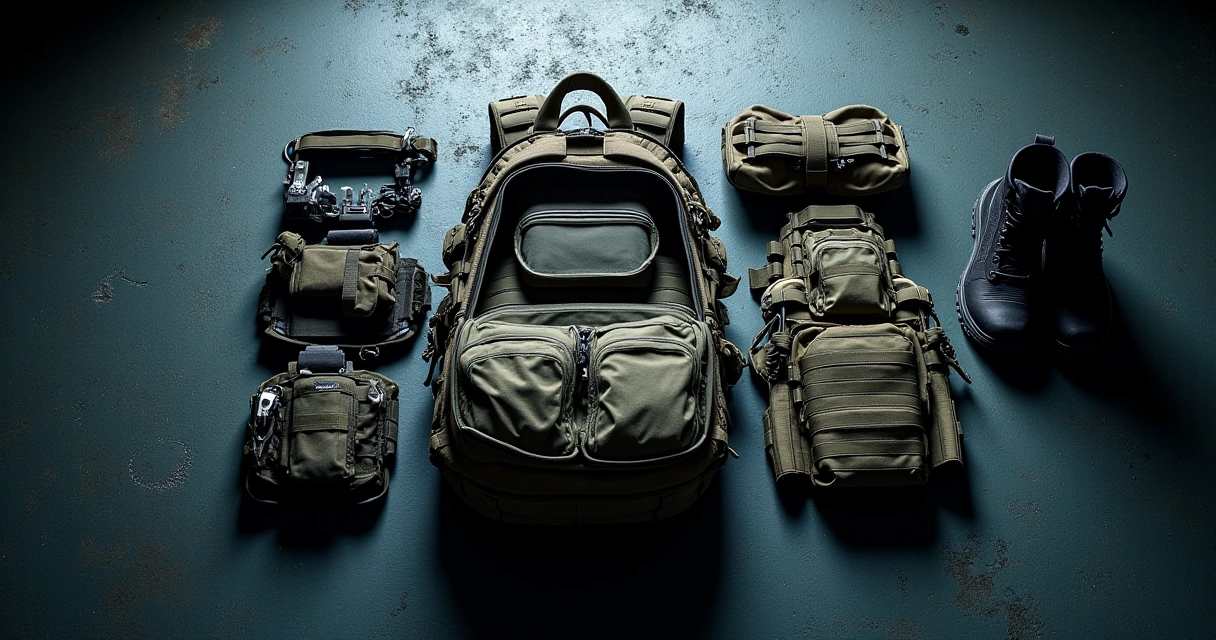
A tactical carrier’s strength lies in its modularity. Molle webbing isn’t just a feature—it's the backbone for attaching pouches, med kits, and accessory panels in a configuration that suits your mission. Whether it’s a simple concealed setup or a full combat loadout, your carrier should support rapid modifications.
Most useful load capacity falls between 6-12 lbs for everyday carriers—heavy enough for essentials, light enough to keep mobility. Overloading makes your carrier sluggish and creates fatigue. Prioritize pouches with security straps and quick-release clips; in a situation where rapid removal or access matters, these details make all the difference.
Fit, Comfort, and Adjustments
A carrier that fits poorly cuts down your operational effectiveness. Look for adjustable shoulder straps, cummerbunds, and side panels. A snug fit ensures weapons and gear stay stable—loose gear shifts or rattles under stress, wasting valuable seconds.
If you plan to wear the carrier over clothing or armor inserts, test fit with your typical loadout. Wear it for extended periods—how does it feel after 4 hours? Good fit isn’t just comfort; it’s mission readiness. Padding options and breathable mesh can improve retention without sacrificing concealment or comfort.
Real-World Scenarios & Deployment
Whether you're running patrol on the streets, camping in remote terrain, or just keeping your vehicle kit ready, your carrier must perform under pressure. In urban settings, you need gear that hides in plain sight but still offers quick access to med patches or tools. In wilderness or vehicle scenarios, durability and packing options are key.
In practice, test your carrier’s limits during range days—simulate real-world stressors like mud, rain, and snagging. Fast, reliable access to magazine pouches, comms, and med supplies often dictates success. Remember: your carrier is part of the system, not just an add-on.
Top Picks for Everyday Use
For those serious about their daily gear, the following carriers deliver on durability, modularity, and practicality:
- LBX Tactical Tactical Plate Carrier: Rugged, lightweight, with excellent MOLLE compatibility. Perfect for EDC with enough room for essentials.
- Shellback Tactical Banshee Elite 2.0: Heavy-duty construction, load-bearing capacity, and modular design—trust it for heavy loads or long shifts.
- Safe Life Defense A2P Carrier: Concealed armor, built-in SupremeMesh for airflow, great for concealed carry or urban patrols.
- Condor MOPC (Modular Operator Plate Carrier): Budget-friendly, durable, and highly adaptable—ideal for those starting out in serious preparedness.
Choose based on your typical loadout, environment, and comfort preference. Remember: the best carrier is the one you’re willing to wear every day, rain or shine.
Frequently Asked Questions
Can I wear a plate carrier everyday without sacrificing mobility?
Yes. The key is choosing a lightweight, well-fitted carrier with minimal padding and load-bearing capacity suited to daily essentials. Prioritize comfort and fit over bulk.
What should I look for in durability for real-world use?
High-denier nylon fabrics like Cordura, reinforced stitching, metal hardware, and waterproof treatments. Test your gear in conditions similar to your daily environment.
How do I ensure my carrier is properly fitted?
Adjust shoulder straps, side panels, and cummerbunds so that it’s snug but comfortable. Perform movement drills to check for shifting or pinching. Practice quickly donning and doffing.
Can I customize attachment points easily?
Most modern carriers support MOLLE or PALS webbing—adding pouches or tools is straightforward. Just ensure your attachments are secure and balanced to prevent shifting during movement.
Are concealed carriers as durable as open designs?
Concealed carriers are built with similar materials but often have softer fabrics for concealment. They are generally just as durable but designed for discreet carry rather than heavy loads.
What’s the best way to test my carrier before depending on it in the field?
Wear it during extended drills, simulate loads you’d carry daily, and expose it to elements like rain or mud. Practice quick removal and gear access to ensure operational readiness.
In the end, the right plate carrier is about trust. Invest in quality, understand your mission-specific needs, and always train with your gear. Your readiness depends on it.