

How To Choose The Right Bug Out Bags
If you’re serious about survival or preparedness, your bug out bag isn’t just a piece of gear — it’s your lifeline when everything hits the fan. Picking the wrong bag can leave you overloaded, under-provisioned, or permanently handicapped in the field. This isn’t about marketing hype; it’s about real-world reliability and crucial load management. Your gear needs to function flawlessly under stress, in the dirt, or in a vehicle. Cut through the fluff. Let’s get down to what matters.
Our Top Picks
Affiliate disclosure: if you buy through these links, we may earn a commission at no extra cost to you.


Sirius: Pre-Packed Bug Out Bag - 72 Hour Kit for 2 People - Bugout Backpack Survival Kit - Premium 50L Go Bag Tactical Backpack - Essential Bug Out Gear - Upgraded Survival Backpack (Camo)
$299.97Check Price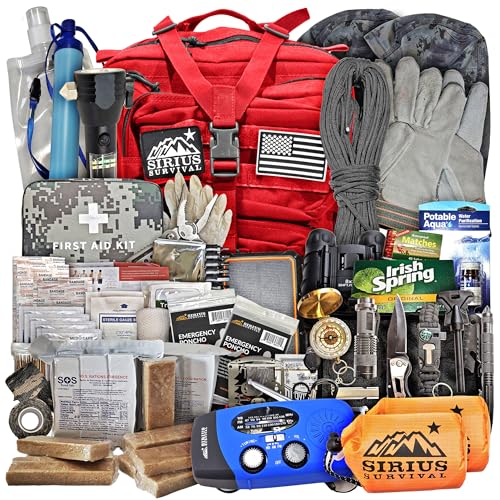
This guide strips away the marketing BS and focuses on what makes a bug out bag work in real scenarios—from range days to urban evacuation, to wilderness survival. Ready to get tactical with your selection?
Table of Contents
Understanding Your Mission and Scenario
The first step is defining what *your* mission is. Are you bugging out from an urban environment, evacuating from wilderness, or operating in a vehicle? Each scenario demands a different approach. Urban escape often requires a compact, discreet pack that can be carried all day without attracting attention. Wilderness survival calls for a larger, more rugged system capable of holding more gear, water, and food while enduring rough terrains. Vehicle kits tend to favor modular, quick-access setups that stay in your car but can be grabbed on the fly.
Assess your environment, threat level, and personal mobility. This clarity is essential — a one-size-fits-all approach doesn’t exist. If your main concern is a fire, collapse, or grid-down scenario, tailor your pack and gear list accordingly. The right bug out bag is mission-specific, built with endurance and real-world practicalities in mind.
Determining Capacity and Size
Size need is pragmatic: too big and you’ll be weighed down; too small and you’ll run out of essentials fast. A typical bug out bag for a day or two should be in the 40-55L range. For multi-week scenarios, go 60-70L but beware of unnecessary weight. Don't just eyeball it—use a scale to verify realistic load weights. Remember, capacity isn't just volume — it's also about how gear stacks inside, how you access it, and how it balances on your back.
Pro tip: Choose a pack that allows you to expand or compress your load. MOLLE-compatible panels and compression straps help consolidate gear in tricky situations, and a scalable design keeps your options open for added gear. Test-pack at home with your essentials and walk around—it’s the only way to gauge comfort and capacity.
Material Durability and Construction
Your pack lives in tough environments. Material choice is critical. Look for high-denier nylon like 500D or 1000D Cordura—a proven standard in real-world military and tactical units. Reinforced stitching, bar-tack points, double-stitched seams, and water-resistant coatings matter when exposure to weather, rough handling, or abrasion is unavoidable.
Don’t get caught with a poorly constructed bag. If possible, inspect the stitching and quality in person, especially around zippers and straps. Remember, a tear in a weak seam could compromise your entire load in the field. Always prioritize durability over flashy aesthetics or brand reputation alone.
Modularity and Gear Accessibility
A bug out bag should be easy to access fast. Modular systems, especially MOLLE or PALS webbing, allow you to customize and adapt your kit on the fly. Attach pouches for radios, medical supplies, or snacks so you can grab what you need without unloading everything. Horizontal and vertical organization within the pack should be logical — quick access compartments for critical gear, separate sections for clothing or shelter.
Comfort, Fit, and Load Bearing
Comfort isn’t optional. Look for padded shoulder straps, a padded back panel with ventilation, and a sturdy hip belt. The load must sit close to your center of gravity; otherwise, fatigue and injury come fast. Adjustable straps are essential to get a proper fit and prevent shifting in rough terrain. The pack should handle your torso length, especially if you plan longer missions.
Test your pack with a loaded weight similar to your anticipated load. Walk around, jog if possible, and adjust as needed. Remember, a weighted pack that’s uncomfortable deters use and risks injury.
Final Selection Checklist
Before sealing the deal, run your picks through this quick checklist:
- Mission fit: Does it suit your specific scenario?
- Capacity: Can it hold all essential gear without excess weight?
- Material: Is it durable, water-resistant, reinforced?
- Modularity: Can you adapt it quickly with pouches and attachments?
- Comfort: Will it distribute weight properly over long durations?
- Accessibility: Are critical compartments reachable with minimal effort?
Frequently Asked Questions
How heavy should my bug out bag be?
Ideal weight is about 20-25% of your body weight, but no less than 20 lbs and no more than 50 lbs. Be realistic about what you can carry comfortably for hours and days.
Should I go with a backpack or a duffel-style bag?
A tactical backpack with MOLLE and good harnessing beats a duffel for mobility, access, and load organization. Duffle bags lack the molle webbing and proper weight distribution needed for extended carry.
What materials are best for wet conditions?
Look for waterproof or water-resistant nylon like Cordura 1000D with waterproof coatings or sealed zippers. Use waterproof pouches inside for electronics and critical gear.
Can I upgrade or modify my bug out bag later?
Yes. Modular systems are designed for expansion or swapping gear. Use MOLLE-compatible pouches for flexibility. Regularly review and field-test your setup.
How often should I update my bug out bag contents?
At least once a year. Check expiration dates on food, batteries, medicines. Replace worn gear and reassess your mission profile.
Choosing the right bug out bag isn’t just a matter of picking what looks tough. It’s about understanding your operational needs, selecting durable materials, and ensuring comfort and accessibility under stress. Build your kit thoughtfully, test it rigorously, and adapt it for real-world use. Your survival depends on it.
Take a hard look at your current setup, identify gaps, and invest in gear designed for action—not marketing. Your next move could be the difference between life and death. Stay prepared, stay ready.


