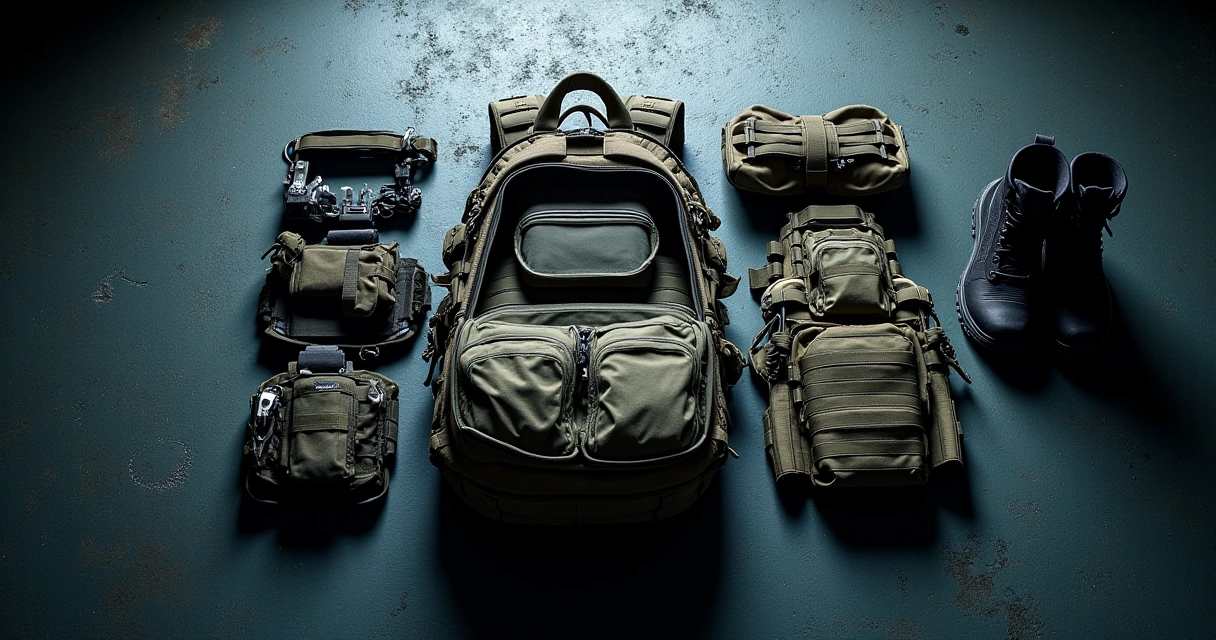
How to Choose the Right EDC Belt
How to Choose the Right EDC Belt
If you’re serious about personal preparedness or operational readiness, your EDC belt isn’t just a fashion statement — it’s the foundation of your carry system. It bears weight, secures gear, and needs to survive the rigors of real-world use. Choosing the right one isn’t about looking tactical; it’s about functionality, durability, and knowing how to adapt it to your mission.
Not every belt is created equal. The wrong choice can mean gear shifting, comfort issues, or even failure when you need it most. Let’s cut through the marketing fluff and focus on what matters: load-bearing capacity, strength, modularity, and practical application in everything from range days to emergency scenarios.
Table of Contents
Understanding Load-Bearing and Material Durability
Your EDC belt must handle more than just holding your pants up. It supports holsters, pouches, knives, medical gear, and sometimes heavier items like radios or a sidearm. Any compromise in strength means gear shift or failure at the worst moment. Focus on material build: reinforced nylon, stiffened polymer, or leather — but only if their load capacity matches your gear loadout.
When choosing, verify the tensile strength: it should comfortably support your maximum gear weight without stretching or snapping. Industrial-grade webbing and reinforced stitching matter. Real-world use shows that cheap belts with weak stitching or subpar materials wear out fast, and the hardware fails under stress — especially in cold or wet conditions.
Modularity and Compatibility with Gear
A good EDC belt isn’t a one-size-fits-all. Look for MOLLE or Velcro compatibility if you need to customize your gear loadout. Some belts feature a modular system that allows attaching holsters, pouches, radios, and other accessories securely. This flexibility saves time on range days, missions, or bug-out scenarios.
Ensure your chosen belt’s attachment points and hardware are rugged enough for quick detachment in emergencies but strong enough to prevent accidental loss. Check that the belt system integrates seamlessly with your plate carrier or backpack lash points if applicable.
Fit, Comfort, and Adjustability
Even the toughest belt is worthless if it’s not properly fitted. Look for belts with multiple adjustment points—either via ratchets, Cobra buckles, or traditional buckle systems. You should be able to secure an aggressive sit or kneel position without cutting off circulation or chafing. Comfort becomes mission-critical when you’re rolling out in full kit.
Consider your waist size, gear weight, and personal mobility. An overly tight belt causes discomfort and reduces blood flow; too loose, and gear shifts unexpectedly. The ideal belt distributes weight evenly and stays secure during dynamic movement or prolonged wear.
Construction and Hardware Quality
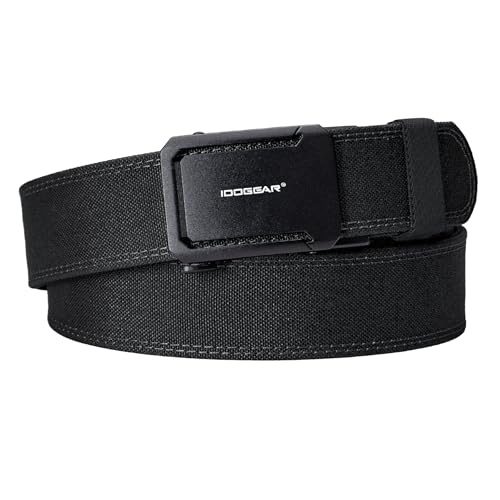
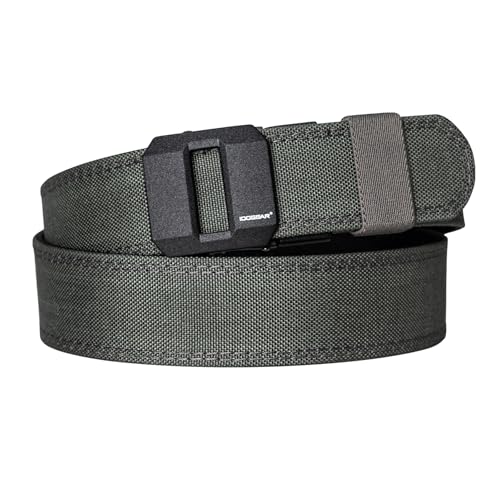
Hardware is often overlooked, but it’s a weak point in cheap systems. A solid buckle (preferably Cobra or tactical quick-lock) made from stainless steel or military-grade polymer will stand up to impacts, cold, and corrosion. Stitching should be bartacked at stress points, and webbing should be reinforced with secondary stitching or bar tacking.
Check for signs of past use or cutting corners: frayed webbing, loose stitching, or thin materials. When you’re deploying gear that could save your life or keep you operational, only the best hardware will do. It’s an investment in durability, reliability, and peace of mind.
Real-World Scenarios and Choosing for Your Needs
Think about what you’ll actually do with your belt. Range work? Look for low-profile, lightweight belts that handle holster and magazine pouches. Tactical patrol or bug-out? Prioritize load capacity and modularity, possibly with a MOLLE-compatible design. For EDC, comfort and discreetness matter; for professional duty, durability and quick-release features take priority.
Assess your typical loadout and scenarios. If you carry a lot of gear daily, plan for a belt that supports this without becoming uncomfortable after hours. If you need serious gear support — say, for urban rescue or prepping — invest in a military-grade, heavy-duty system that won’t let you down when it matters most.
Frequently Asked Questions
Q: Can I use a regular leather belt for tactical purposes?
A: Not ideally. Leather belts lack the load-bearing capacity, modularity, and quick-release features needed for tactical use. They also tend to wear quicker under heavy load or in moisture-heavy environments.
Q: How do I measure for the right belt size?
Measure your waist at the point where you wear the belt, with your duty gear or clothing on. Add a few inches for comfort and room for gear. Always check manufacturer sizing charts — belts often run smaller or larger than standard pant sizes.
Q: Should I prioritize a quick-release buckle or a traditional buckle?
If you're in immediate threat scenarios or emergency extraction situations, quick-release is invaluable. For day-to-day use, a sturdy, traditional buckle may suffice, but ensure it’s reliable under load.
Q: Is nylon webbing better than leather or polymer for EDC belts?
Nylon webbing generally offers higher strength-to-weight ratio, better resistance to elements, and modularity options. Leather looks tactical but often lacks the load capacity and quick adjustments needed for active use.
Q: How often should I replace my tactical belt?
Inspect regularly for signs of wear, fraying, or hardware fatigue. Replace if webbing shows stress marks, stitching comes undone, or hardware fails. In high-use environments, annual inspection is recommended.
Conclusion
Your EDC belt isn’t just a strap — it’s a vital piece of your gear setup that impacts mobility, security, and mission readiness. Invest in a quality belt tailored to your loadout, fit it properly, and keep it maintained. In real-world scenarios, a reliable belt can be the difference between gear staying attached or losing critical equipment under stress. Take the time to choose wisely—your current and future safety depends on it.
Next step: Head to your gear store or trusted vendor and put your measurement, needs, and mission requirements to the test. Don’t settle for second best — your gear, and your life, depend on it.