How to Choose the Right Emergency Preparedness Gear
How to Choose the Right Emergency Preparedness Gear
If you’re serious about personal safety and readiness, size, durability, and modularity matter. This isn’t Amazon impulse buy territory—this is gear built to save your life in the worst moments. Whether you’re heading out for a range day, camping, or building a vehicle kit, choosing the right gear boils down to understanding your mission and the real-world demands you’ll face. Fail to prepare properly, and you’re just another victim of circumstance.
This guide cuts through the marketing fluff. I’ll walk you through what matters—load capacity, durability, modularity—so you can build a system that works under pressure, not just on a shelf.
Table of Contents
Assessing Your Mission Needs
Before you even pick up gear, ask yourself: What scenarios are you preparing for? Range trips? SHTF scenarios? Vehicle emergencies? Your mission profile determines loadout priorities. For example, if you’re building a bug-out bag, prioritize lightweight yet comprehensive essentials. For vehicle kits, durability and quick access become king. Tactical gear isn’t one-size-fits-all—you must tailor it to your environment and threat level.
Consider operational factors such as terrain, climate, and expected duration of deployment. Are you moving on foot or in a vehicle? Will you need concealment, or is visibility to allies acceptable? Defining these parameters upfront ensures your gear isn’t a weight penalty but a force multiplier.
Selecting the Right Tactical Backpack
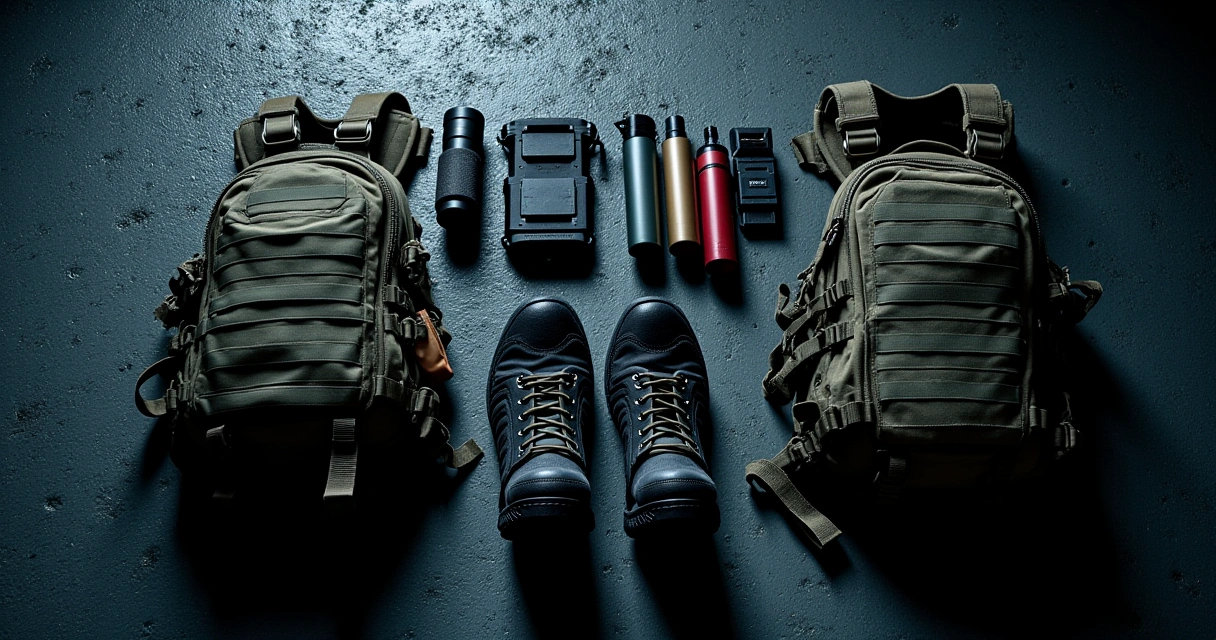
Your pack carries everything—so it better be tough, modular, and designed for quick access. Look for high-denier nylon or Cordura fabric—those are battle-tested materials that resist tears and abrasion. The best tactical backpacks have a load-bearing capacity of at least 20-30 lbs comfortably, with reinforced stitching at stress points.
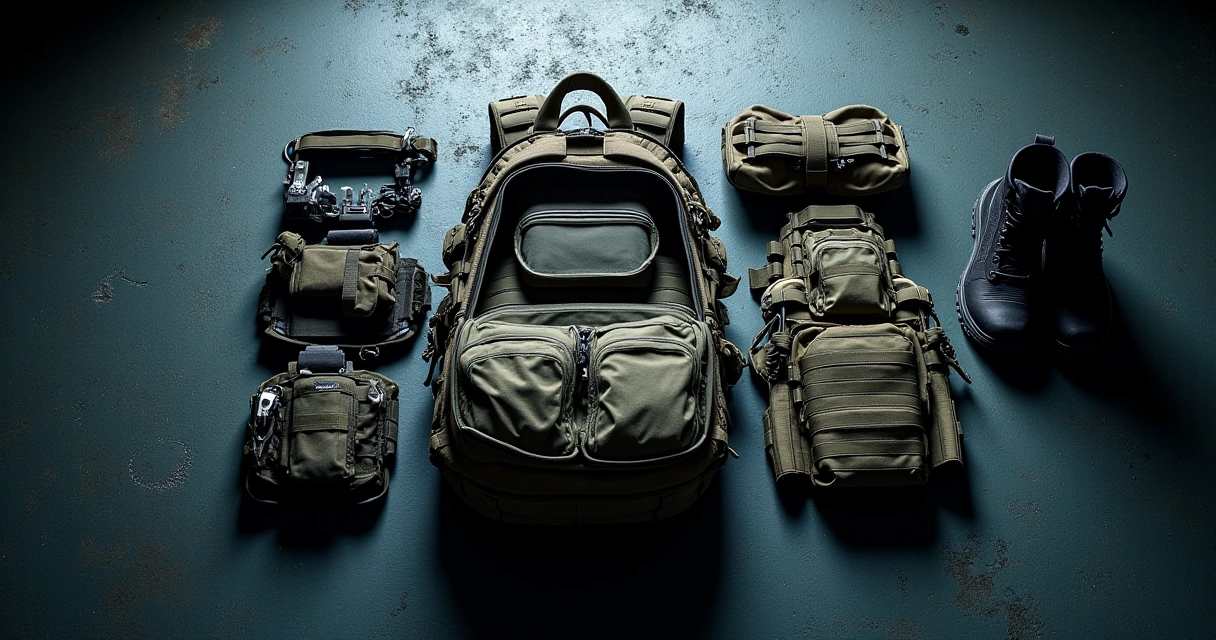
Modularity matters. Molle webbing isn’t just an accessory; it’s how you customize your loadout for the scenario at hand. Pouches for medical, tools, or radio should be attachable and removable without fuss. Test the pack’s comfort—shoulders, waist belt, hip pads—all need to support weight without causing fatigue or injury.
Choosing Plate Carriers and Molle Pouches
Plate carriers are mission-specific tools. For stand-alone protection, a sleek plate carrier with adjustable straps, breathable mesh, and a low-profile design keeps you agile. If you anticipate longer wear, opt for carriers with hydration bladder compatibility and quick-release mechanisms.
Modularity is key: attach Molle pouches for radios, medical supplies, magazines, or multitools. Heavy-duty Velcro or quick-attach clips keep equipment accessible but secured. Remember—your kit should be ready at a moment’s notice, not tangled in a web of straps.
Picking Reliable Lighting and EDC Belts
In low-light scenarios, tactical flashlights are your best friend. Look for LED models with a high lumen output—at least 500 lumens—for clear visibility, and features like tail switches for one-handed operation. Resistance to water, shocks, and extreme temperatures are non-negotiable.
EDC belts should support your holster, knife, and secondary gear. Heavy-duty nylon or leather reinforced belts designed with load-bearing in mind keep everything in place. The best belts are also modular—attachment points for pouches or holsters ensure quick access in crunch time.
Building a Practical First Aid and Survival Kit
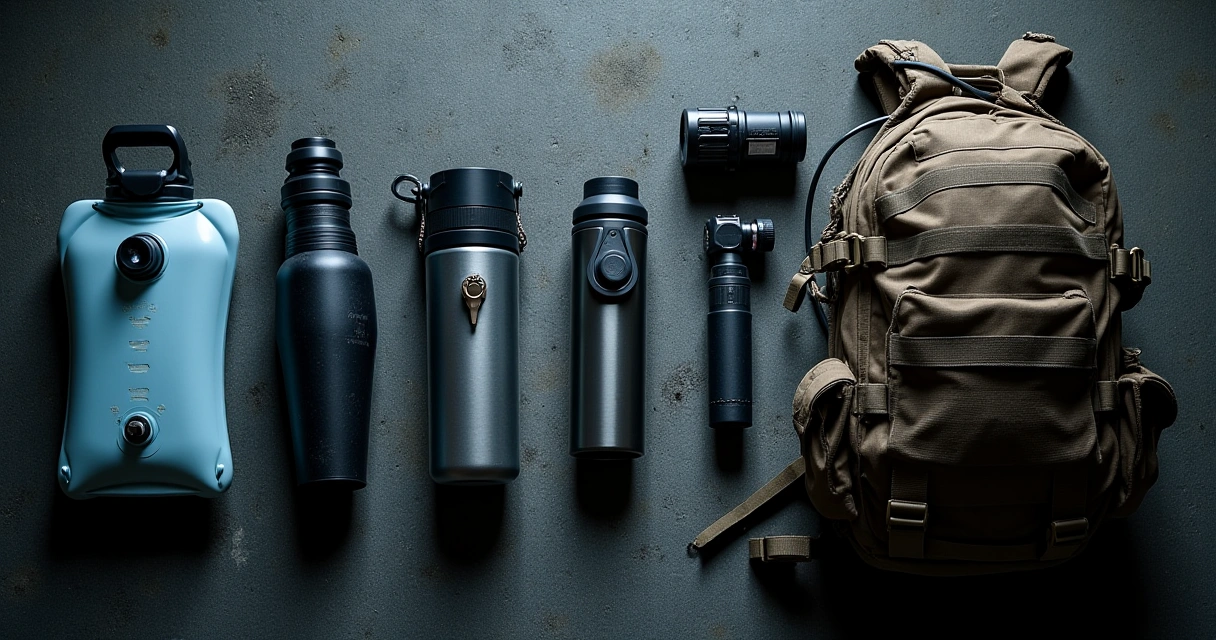
Your first aid kit should include essentials: tourniquets, hemostatic agents, wound dressings, and a compact multi-tool. For survival gear, consider a fire starter, water purification tablets, a multi-tool, and compact shelter. Every item must be durable, water-resistant, and ready to deploy under stress.
Position your first aid supplies in easily accessible pouches attached to your plate carrier or backpack. Don’t waste weight on gimmicks — every component should have a defined purpose and be proven in the field.
Final Tips for Gear Integration and Testing
The best gear in the world won’t do you any good if it’s not integrated and tested. Assemble your kit with practical scenarios in mind and run drills. Do your gear carry comfort tests, security checks, and accessibility drills. Know your system inside out—your life depends on it.
Update your gear regularly to replace expired med supplies, worn straps, or damaged zippers. Keep your loadout lightweight but comprehensive, and always prioritize quality materials and trusted brands built for real-world abuse.
Frequently Asked Questions
How do I know what size backpack to choose?
Match the size to your mission—24-40 liters for quick EDC or range days, 60+ liters for bug-out bags. Weigh your load to ensure comfort and adjust accordingly.
What material is most durable for tactical gear?
Cordura or high-denier nylon (min. 500D) offers excellent abrasion resistance and longevity for tactical backpacks, plate carriers, and pouches.
How often should I upgrade or test my gear?
Quarterly reviews are a good rule. Test your gear with load-bearing drills, check for wear and tear, and replace supplies and worn components annually or after heavy use.
Can I customize my loadout for different scenarios?
Absolutely. Use modular pouches, MOLLE, and adjustable straps. Tailor your kit for urban survival, remote camping, or vehicle emergency setup.
What’s the one mistake prepper veterans see most often?
Overloading gear without testing or practicing. Gear must be functional under stress—not just a neat setup on a shelf.
Choosing the right emergency gear isn’t about bells and whistles—it’s about reliable, mission-focused tools you trust under pressure. Build your loadout with real-world application in mind, test it thoroughly, and never settle for less than solid, field-proven gear. When seconds count, your gear can be the difference between survival and failure.
Next step: Review your current kit, identify gaps, and start upgrading with purpose-built components. Don’t wait for tomorrow—gear up today.
Top Picks for This Topic
As an Amazon Associate we earn from qualifying purchases at no extra cost to you.