How to Choose the Right First Aid Kits
How to Choose the Right First Aid Kits
When you’re deployed on the front lines of preparedness, your first aid kit isn’t just about ticking boxes — it’s about survival. Whether you’re rocking a tactical backpack during training, outfitting your vehicle, or prepping for a bug-out scenario, the right kit can make the difference between stabilizing an injury or facing a preventable disaster. Skip the cheap synthetic kits; focus on durability, real-world usability, and modular capability. Your life—and the lives of those around you—depend on it.
In this guide, I’ll walk you through what to look for, how to tailor your kit to your mission, and make smart choices based on actual field conditions. No hype, no fluff—just essentials grounded in reality.
Table of Contents
- Assess Your Needs: Know Your Environment and Risks
- Durability & Material Quality
- Basic vs. Advanced Kits: What’s the Difference?
- Modularity & Expansion — Building Your System
- Storage & Accessibility: Keep It Ready & Easy to Use
- Regular Maintenance & Training
FAQs
How do I select a first aid kit for my tactical backpack?
Focus on the environment—urban, wilderness, or vehicle—and choose a kit with durable, waterproof materials, and sufficient supplies for both minor injuries and more serious trauma. Modular systems allow customization as your needs evolve.
What size first aid kit should I carry on patrol or camping?
For patrol or daily carry, a compact, cinturón-style kit with essentials suffices. For longer deployments or vehicle use, go larger — but always prioritize accessibility and organization over sheer volume.
Should I include advanced trauma gear in my first aid kit?
Absolutely. Items like tourniquets, hemostatic agents, and chest seals are crucial for blunt or penetrating trauma. These are your force multipliers in critical situations.
How often should I replace supplies in my kit?
Every 6–12 months. Check expiration dates on medications, antiseptics, and bandages. Replace any used or expired items immediately—don’t wait for a crisis to find your supplies are useless.
Can I customize my first aid kit for specific scenarios?
Yes. Tailor your kit to your common threats—add burn gels for cooking incidents, nasal or eye wash for environmental hazards, or splints for vehicle emergencies. A custom setup enhances readiness.
Assess Your Needs: Know Your Environment and Risks
The first step in choosing a first aid kit is understanding your operational environment. Are you headed into urban chaos, wilderness, or remote backcountry? Each scenario presents different injury patterns—blunt trauma from accidents, cuts, snake bites, hypothermia, or altitude sickness. Your kit must reflect these risks.
If your gear resides on a patrol rig in a city or near-road environments, include quick-clot dressings, chest seals, airway management tools, and compact bandages. For wilderness or camping, add splints, heat packs, and snake bite kits. For vehicle kits, prioritize trauma shears, tourniquets, and burn dressings. Be honest about what happens most often—and what would be most critical in your line of work or activity.
Durability & Material Quality
Cheap plastic cases or flimsy nylon pouches will fail in the field. Look for high-grade, water-resistant, crush-proof containers—hard-shell cases or ballistic nylon pouches with sealed zippers. Your kit must withstand dirt, moisture, and rough handling. Seen a kit soaked, moldy, or broken after a field exercise? That’s a red flag.
Ensure the components themselves are rugged—stainless steel scissors, Katadyn or second-generation hemostatic agents, and puncture-resistant bandages. Remember, a broken clasp or torn fabric can compromise your entire risk profile.
Basic vs. Advanced Kits: What’s the Difference?
Basic kits cover the essentials: bandages, antiseptics, pain relievers, and simple dressings. They’re lightweight and perfect for daily EDC or short-range ops. But they won’t cut it if you face serious trauma—think multiple casualties, heavy bleeding, or penetrating wounds.
Advanced kits incorporate tourniquets, hemostatic powders, chest seals, nasal airway adjuncts, and even IV access ports. These are designed for field medics or individuals trained to stabilize injuries until professional help arrives. Know your skill level—adding advanced gear without training risks misuse or inaction.
Modularity & Expansion — Building Your System
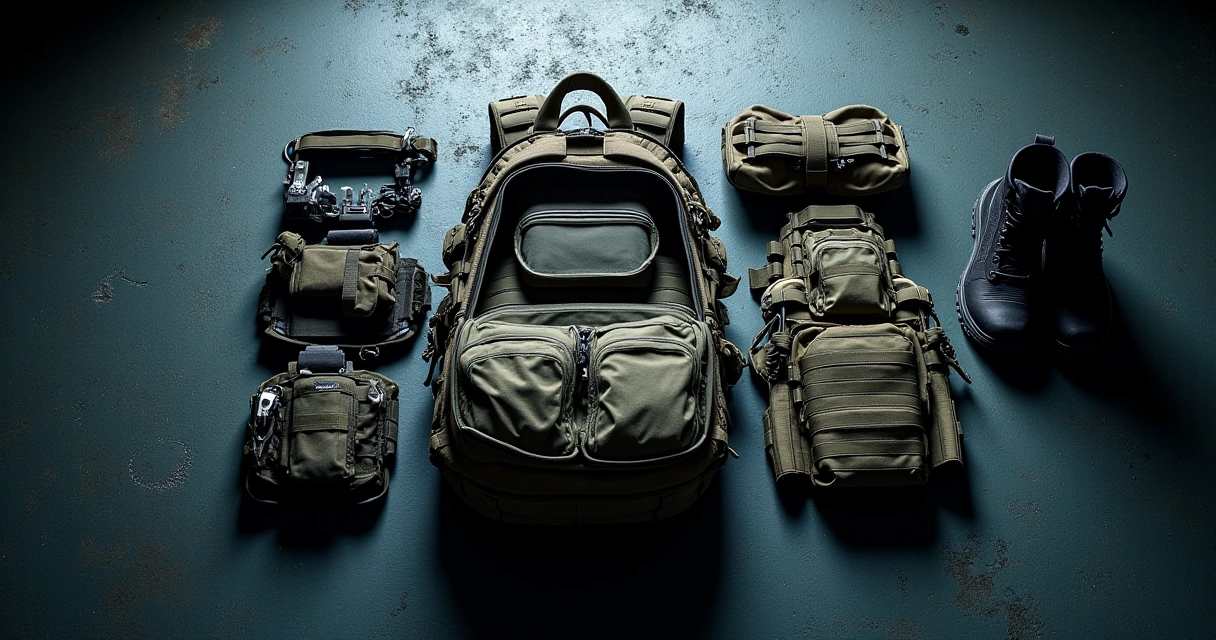
A one-size-fits-all approach is a trap. Modular pouches allow you to tailor and expand your kit based on forecasted needs. Use MOLLE-compatible pouches to organize trauma supplies, bandages, medications, and splints separately. Keep critical tools in accessible locations—fast access beats organized clutter when seconds matter.
In a vehicle, attach a dedicated trauma kit to the seat or door panel; on your plate carrier, keep quick-access tourniquets and occlusive dressings front and center. Owning a modular system allows rapid reconfiguration as your situation or threat environment changes.
Storage & Accessibility: Keep It Ready & Easy to Use
Storage isn’t just about durability; it’s about organization. Your kit should be accessible with one hand, visible, and not buried under layers of gear. Mount it in a dedicated pocket, attach it to your MOLLE rig, or keep it in a drop pouch within arm’s reach.
Test your access routine—can you grab your kit and deploy necessary supplies in under 10 seconds? If not, reconfigure. Remember, trauma care often hinges on speed—delays cost lives.
Regular Maintenance & Training
An empty or expired kit is a dangerous liability. Schedule quarterly checks—review expiration dates, replenish used supplies, and test your gear. Conduct hands-on drills with your team or alone to ensure familiarity. Knowledge only counts if it’s practiced under stress.
Consider training courses in tactical combat first aid (TCCC), to maximize your kit’s value and your response time. The best kit in the world is useless if you don’t know how to use it.
Frequently Asked Questions
How do I select a first aid kit for my tactical backpack?
Focus on durability, essential trauma gear, and modular capability. Match the kit size to your operational environment—compact for daily carry, larger for longer missions. Make sure it’s waterproof and easily accessible.
What size first aid kit should I carry on patrol or camping?
For patrol, a compact kit with basic supplies suffices. Extend to a larger, more comprehensive kit if you’re out overnight or for several days. Always include at least tourniquets, dressings, antiseptics, and pain relievers.
Should I include advanced trauma gear in my first aid kit?
Yes. Items like tourniquets, hemostatic agents, chest seals, and nasal airways are lifesavers. But only add them if you’re trained to use them—misapplication can cause more harm than good.
How often should I replace supplies in my kit?
Every 6 to 12 months. Check expiration dates on medications and replace any used items immediately. Regular inspections keep you ready when it counts.
Can I customize my first aid kit for specific scenarios?
Absolutely. Tailor your supplies to your environment—add burn dressings, eye wash, or splints. Customization increases your tactical flexibility and preparedness for any situation.
In the end, your first aid kit is a mission-critical asset. It’s not about having the flashiest gear; it’s about knowing what works, building it tough, and keeping it ready. Whether on range day, deep in the woods, or in your vehicle, your kit should be an extension of your tactical mindset—fast, reliable, and purpose-built. Get it right now, before the need arises.
See Also
🛒 Top Picks from This Article

EVERLIT 250 Pieces Survival First Aid Kit IFAK EMT Molle Pouch Survival Kit...
$39.99
Check Price on Amazon →
Survival First Aid Kit with Israeli Bandage, Chest Seal, Tourniquet, Splint,...
$49.99
Check Price on Amazon →
EVERLIT Emergency Trauma Kit, CAT GEN-7 Tourniquet 36" Splint, Military...
$69.95
Check Price on Amazon →