How to Choose the Right Molle Pouches
How to Choose the Right Molle Pouches
If you're serious about tactical gear, you already know that modularity isn’t optional — it’s a force multiplier. Proper Molle pouches bridge the gap between your kit’s potential and your mission’s demands. Whether on patrol, at the range, or in a bug-out scenario, picking the right pouches means fewer compromises and more reliable gear in the fight.
Ignore cheap knock-offs that break under pressure. Focus on quality, compatibility, and function. A poorly chosen pouch can turn into a liability—failure to access critical tools when seconds matter. Here’s how to cut through the marketing fluff and select pouches built for real-world use.
Table of Contents
Material and Durability
The backbone of any good Molle pouch is tough, resilient material. Look for high-denier nylon—at least 500D or 1000D Cordura. These materials resist tears, abrasions, and weathering. In real-world scenarios, gear that kannst out quickly isn't just inconvenient — it’s a serious liability.
Reinforced stitching, bar-tacked stress points, and waterproof coatings further ensure longevity. My advice: don’t skimp on material quality. Failing zippers, worn fabric, or broken Velcro can happen fast when you’re hitting the dirt or rainstorms roll in. Invest in gear that can handle the abuse your missions demand.
Size and Capacity
Size isn’t just about fitting more stuff. It’s about fitting the right stuff—quickly and efficiently. Consider your core mission needs: Are you running a dedicated med pouch? A grenade launcher pouch? Or a general utility pouch for tools and batteries?
Measure your gear and restrict yourself to pouches that balance capacity with accessibility. Overly bulky pouches add needless weight and can snag on terrain. Conversely, undersized pouches create repeated trips back to your kit for supplies. Know your load limits and plan accordingly.
Modularity and Compatibility
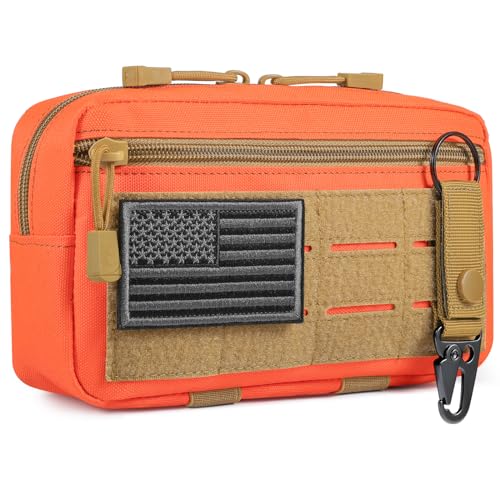
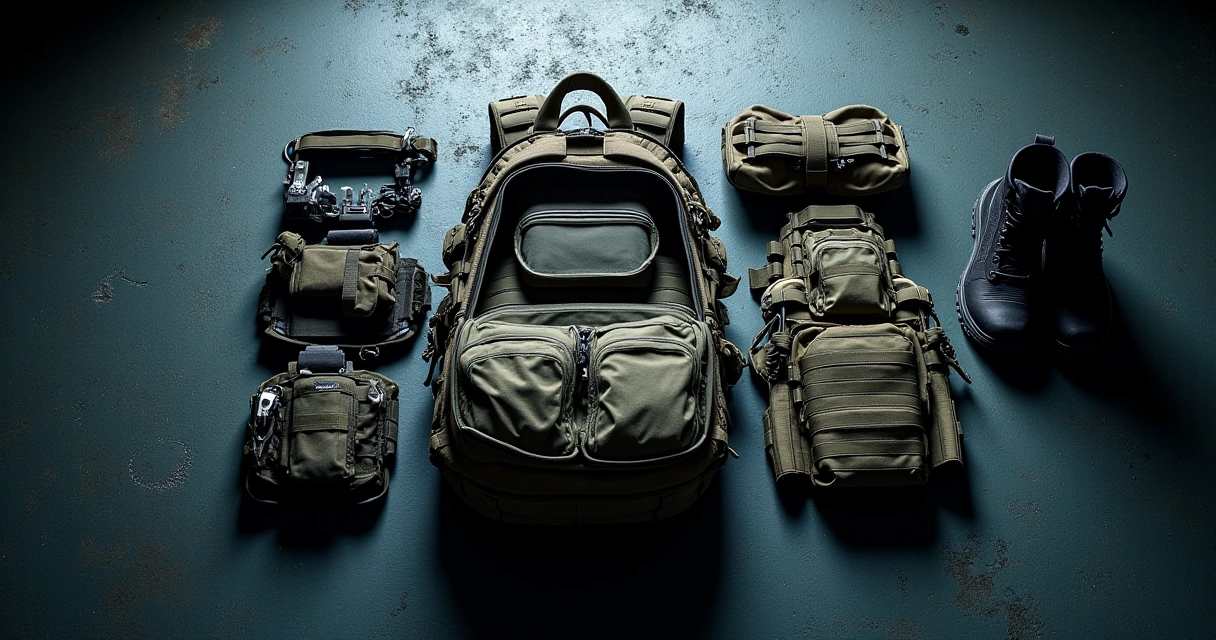
A Molle system isn’t just about adding pouches; it’s about creating a cohesive, modular platform. Ensure your pouches are compatible with your gear setup—plate carriers, backpacks, or EDC belts.
Check the attachment options: 3-row, 4-row, or universal Molle straps. Match pouch sizes to your mission profile—small admin pouches for maps, larger pouches for water, or specialized pouches for radios and medical supplies. Remember, modular isn’t just convenience; it’s about creating a reliable system that performs under pressure.
Attachment Methods
Choosing between sewn-in straps, molle (ladder) attachment, or snap mounts impacts stability and quick detachability. Molle Pouches should lock in secure but also come off cleanly when needed—don’t settle for dangling gear or ones that slide off during movement.
Look for adjustable straps or quick-release buckles. For vehicle setups or quick-access points, quick-detach systems save valuable seconds. When on patrol or in confined spaces, a sturdy attachment method prevents loss and ensures reliable access. Verify the connection points for wear over time, especially after exposure to dirt, mud, or water.
Specialized Pouches for Specific Gear
Not all pouches are created equal. Have dedicated gear? Opt for purpose-built pouches: medic bags for trauma supplies, grenade pouches for indirect fire support, or radio pouches with retention. This specificity saves time and reduces frustration in critical moments.
Match pouch dimensions precisely to your gear—don’t overstuff or underfill. For example, a first aid pouch should comfortably hold gloves, bandages, tourniquets, and meds without turning into a bulky mess. Remember, compartmentalization improves access and prevents gear loss.
Maintenance and Care
Gear exposed to the elements takes a beating. Clean your pouches regularly—dirt, mud, and water can degrade materials and compromise integrity. Use mild soap and water; avoid harsh chemicals that weaken fabric or waterproof coatings.
Inspect attachment points, zippers, and Velcro frequently. Repair or replace damaged pieces immediately. Proper storage—dry, cool, out of direct sunlight—extends the life of your pouches. In the field, pay attention to fasteners and secure loose gear—dirt and debris can jam zippers or clog retention systems during critical use.
Frequently Asked Questions
Can I attach different brands of pouches to my gear?
Yes. As long as they’re PALS-compatible, most brands fit together seamlessly. Verify strap width and attachment style first.
How do I know what size pouch I need?
Assess your gear — what are you carrying? Measure your essentials and choose a pouch that comfortably fits without excess bulk. Better to go slightly bigger than too small.
Are waterproof pouches necessary?
Depends on your environment. For rain, river crossings, or humid climates, waterproof or weather-resistant pouches prevent moisture damage to critical gear.
How do I prevent my pouches from falling off during movement?
Use secure attachment methods—tighten straps, use locking buckles, and verify connection points before deploying. Regular inspection keeps your system tight.
Is it better to have fewer larger pouches or many small ones?
It’s situational. Many small pouches allow quick access and modularity; fewer large ones reduce clutter but may slow retrieval. Balance based on your mission profile.
What’s the best way to clean and store my pouches?
Clean with mild soap and water, dry thoroughly, inspect for damage, and store in a cool, dry place. Proper care extends your gear’s lifespan and reliability.
Choosing the right Molle pouches isn’t about the latest gadget — it’s about understanding your operational needs, matching quality to your standards, and maintaining gear that performs when it matters most. Invest in durable, modular systems designed for real-world challenges, and train with them regularly. Dominate your setup, and never let gear be your weak link.