How to Choose the Right Plate Carriers
How to Choose the Right Plate Carriers
In high-stakes environments—be it combat, tactical training, or real-world disaster scenarios—the plate carrier isn't just a piece of gear; it's your frontline defense. Choosing the right one is a mission-critical decision that affects mobility, protection, and endurance. Skip the hype and focus on what matters: load-bearing capacity, durability, modularity, and fit. This isn't gear for your weekend hobby; it's for professionals and serious operators who rely on gear that performs under stress.
If you're moving with intent—drawing from your carrier during patrols, deploying on patrol duties, or surviving a BOL situation—your equipment must be reliable, battle-tested, and tailored to your needs. This guide breaks down the real-world considerations you need to make so your carrier becomes a force-multiplier, not a liability.
Table of Contents
Understanding Your Mission and Threat Level
The first step is honest assessment: What are you preparing for? Is this for everyday carry, a tactical range day, or a bug-out scenario? A plate carrier for urban EDC needs different features than one designed for heavy combat or wilderness survival. The threat level dictates the armor rating—conventional plates can range from soft-compatible low-profile setups to hard plates rated for high-velocity rounds. Match your carrier to your mission; don’t overburden yourself with unnecessary bulk or skimp on protection.
Real-world tip: If your primary concern is a law enforcement or civilian defense context, a plate carrier with a moderate armor rating, lightweight materials, and modular pouches will often suffice. For SHTF scenarios, durability and load capacity become paramount, especially when you’ll be carrying survival gear alongside your armor.
Fit and Comfort — The Foundation of Effectiveness
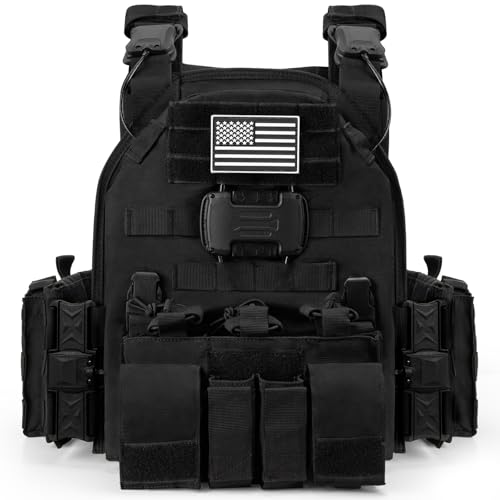
A carrier that doesn’t fit properly is a waste of money and can be dangerous in a fight. It should conform to your body without constricting movement or causing pressure points. When trying on carriers, do them wearing your duty belt or loadouts; test mobility, breathing, and reach. Remember, you’ll be wearing this gear for hours—comfort is a tactical advantage.
Practical tip: Use adjustable straps, especially at shoulders and sides. Once properly fitted, consider padding or liners for extended wear. A carrier that shifts during movement exposes gaps and can cause fatigue or injury under stress.
Plate Sizes and Types — What's Right for You?
Standard plate sizes are typically 10”x12”, but don’t assume this fits perfectly. Measure your torso precisely—too small, and you risk inadequate coverage; too big, and mobility suffers. Consider the threat environment: soft plates for lighter protection, hard plates when threats demand impact resistance.
Modularity and Load Distribution
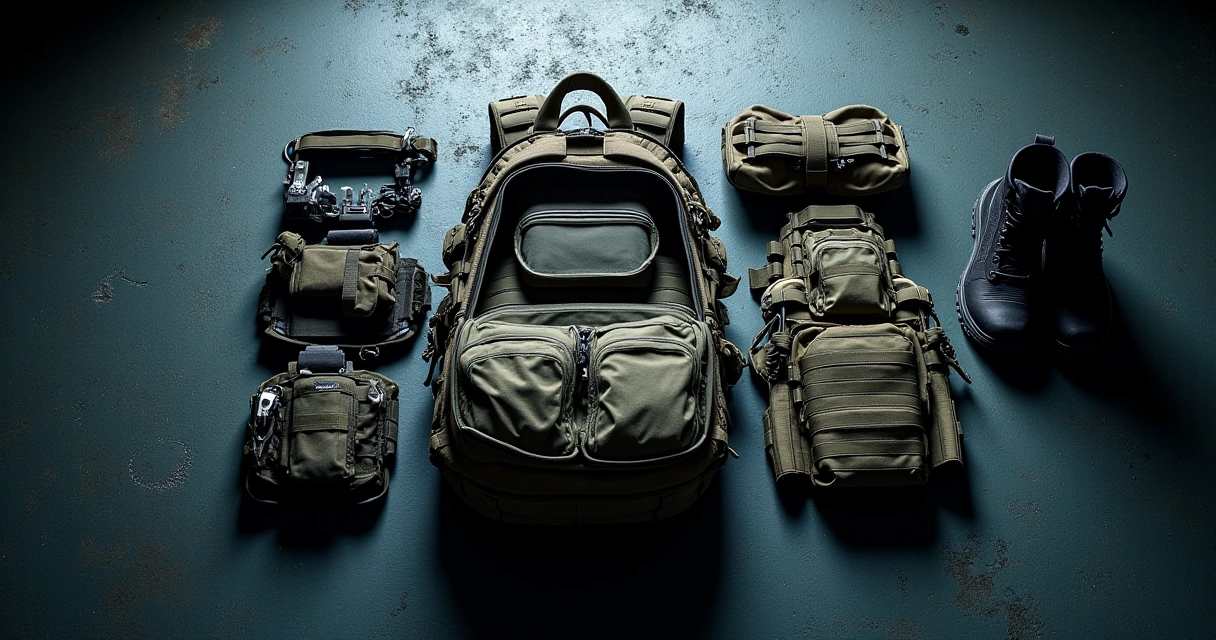
Your carrier should accommodate MOLLE or similar modular systems for pouches, medical kits, communication gear, and hydration. Effective load distribution prevents fatigue and keeps essential items accessible. When selecting a carrier, consider how easy it is to customize based on your scenario—each mission requires different configurations.
Practical tip: Arrange your pouches in a way that minimizes shifting and balances weight across your torso. Poorly distributed gear can cause back pain, slow response, or lost equipment when seconds count.
Material Durability and Weather Resistance
Durability is non-negotiable. You’ll take sharp brush, dirt, rain, and rough handling. Look for carriers made from Cordura or similar high-denier fabrics—these are proven in the field. Water-resistant coatings extend your gear’s lifespan and ensure your equipment stays functional when conditions turn nasty.
Real-world tip: Invest in carriers with reinforced stitching at stress points. Abyssal wear or failure in a fight can be catastrophic. Always inspect and maintain your gear like a weapon.
Additional Features to Consider
Features like quick-release systems, hydration hose ports, integrated cummerbunds, and padded shoulder straps can improve performance in the field. Consider if you need night-vision mount points, built-in padding, or compatibility with assault vests. Don’t fall for gadgets; stick to what enhances operational efficiency.
Focus on gear that supports your mission, not just looks. Every accessory should serve a purpose—this is your armor, not a fashion statement.
Frequently Asked Questions
How do I know what size plate carrier I need?
Measure your torso from the sternum to the navel for height and around your chest at the widest point. Fit the carrier snugly but comfortably—nothing too tight or loose. Use adjustable straps to refine fit. When in doubt, choose a slightly larger size for better coverage and room for layering.
Can I upgrade or change plates later?
Yes. Most plate carriers support swapping different plates. Just ensure the plates you select match the carrier’s specifications—size, thickness, and ballistic rating. Always verify compatibility before purchase.
What materials should I look for in a durable carrier?
High-denier Cordura nylon (at least 500D or 1000D), reinforced stitching at stress points, and weather-resistant coatings. Steel-reinforced MOLLE panels add extra longevity.
Is weight a concern with heavy armor?
Absolutely. Heavier plates provide better protection but can drain your endurance quickly. Balance protection with mobility. For extended missions, lighter but rated plates are preferable; for short, high-threat situations, heavier armor may be warranted.
What common mistakes should I avoid?
Ignoring proper fit, overloading with unnecessary gear, neglecting maintenance, and choosing cheap, non-standard plates. Choose quality, customize for your scenario, and maintain your gear rigorously.
Conclusion
Selecting the right plate carrier goes beyond marketing hype—it's about understanding your operational needs, balancing protection and mobility, and ensuring durability under real-world conditions. Don't settle for a one-size-fits-all solution; customize, test, and maintain your gear rigorously. When lives are on the line, precision in your kit makes all the difference.
Next step: Review your current loadout, define your mission parameters, and invest in a carrier that aligns with those requirements. Then, field-test extensively—adjust your setup until it becomes as reliable as your skills.