

How To Choose The Right Plate Carriers In 2026
A plate carrier is the center of your load, not just a piece of gear hanging off your shoulders. If it shifts, pinches, or forces you to constantly readjust, every other item attached to it becomes harder to use. Choose it for the mission you actually run, the way you move, and the load you expect to carry for hours at a time.
Quick Answer
Choose a plate carrier that fits your torso before you add plates, distributes weight across the shoulders and waist, and lets you build a loadout without fighting you. Prioritize adjustable straps, a back panel that matches your build, plate compatibility, and modular attachment points. If it stays put during movement and does not create pressure points, it is doing its job.
Table of Contents
Our Top Picks
Affiliate disclosure: if you buy through these links, we may earn a commission at no extra cost to you.


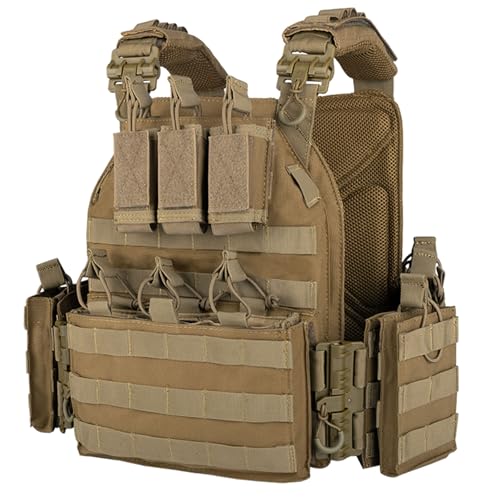
Define the Mission Before the Gear
Start with the task, not the aesthetic. A carrier used for a short range day, a vehicle-based response, a camping rotation, or a bug out loadout will have different needs. A range day may call for a lighter setup with quick access to magazines and a first aid kit. A vehicle kit may need a carrier that supports a hydration system, additional pouches, and tools without making you feel like you are carrying a second torso.
Ask what you will actually do while wearing it. Will you be crawling, kneeling, drawing, reloading, moving through brush, or sitting in a vehicle for long stretches? If you are wearing tactical boots and a tactical backpack, the carrier has to work with both, not compete with them. If your EDC belt is loaded, the carrier should not force you to shift weight into your hips or lower back.
Write down three things before looking at carriers: mission duration, expected load, and movement demands. That list will separate useful features from marketing noise. A carrier that looks impressive in a photo but does not match your real use case will become a liability the moment you are tired, hot, or under stress.
Fit Is the First Safety System
Fit is not a comfort issue. It is a safety issue. A carrier that slides, twists, or digs into your shoulders can distract you, restrict breathing, and make it harder to access gear. The first step is always to fit the carrier to your torso before adding plates. If the shell does not sit correctly on your body, adding weight will not fix it. It will only make the problem heavier.
Check the shoulder straps, side adjustments, and any cummerbund or waist support. The carrier should feel snug, not crushed. You should be able to take a full breath, raise your arms, and move through a range of motion without the gear shifting. If you have to keep pulling it down or twisting it back into place, the fit is wrong. This matters even more when you are carrying a full loadout, because small shifts multiply into major problems when you are moving fast.
Test the carrier in motion. Walk, squat, kneel, bend, and move through positions you actually use. If you carry a hydration system or a tactical backpack, do the same with those on. A carrier that feels acceptable while standing still can become useless during sustained movement. The goal is a platform that stays where you put it, even when your body is working hard.
Plate Size, Position, and Coverage
Plate compatibility is one of the most important decisions you will make. The carrier needs to accept the plate size you plan to use, and the plate should sit where it actually protects the areas you care about. A plate that is too small for the carrier, or positioned too high or too low, can create gaps you do not want. It can also change the way the load sits on your body, making the whole system feel off.
Think about coverage in terms of your body, not just the front. Some carriers are built for a front plate and minimal side support. Others are designed to accept additional panels for broader coverage. The right choice depends on your mission. A lighter setup may be enough for certain tasks, while a heavier, more protective configuration may be better for extended exposure or high-risk environments. Do not overbuild for a job that does not require it, and do not underbuild for one that does.
Check how the plate sits relative to your breathing and movement. It should not restrict your chest when you inhale, and it should not ride up when you bend. If the plate shifts when you move, the carrier is not doing its job. A well-configured carrier keeps the plate stable, keeps the load predictable, and leaves your hands free to work.
Build a Modular Loadout Without Becoming a Brick
Modularity is useful only if it makes your load easier to manage. A carrier with attachment points is not automatically better. What matters is whether the system lets you place gear where you need it without creating dead weight, snag points, or balance problems. If every pouch is pulling the carrier in a different direction, you will spend your day managing gear instead of doing the task.
Start with the items you truly need. A first aid kit, magazines, a tactical flashlight, and a hydration system are common. Add survival gear, emergency preparedness items, or additional pouches only if they fit the mission and you can access them without breaking your position. A bug out bag or vehicle kit should not force you to turn your carrier into a walking storage unit. If you are carrying too much, you are not prepared. You are just overloaded.
Pay attention to how pouches attach and how they move. MOLLE-style systems are common, but the quality of the attachment matters as much as the number of points. Pouches should stay where you place them, open and close quickly, and not create pressure points against your body. If a pouch makes the carrier shift, or if you have to fumble with it under stress, it is not earning its place.
Comfort, Materials, and Long-Duration Wear
Comfort is a performance issue. A carrier that feels fine for twenty minutes can become miserable after a few hours, especially in heat, humidity, or sustained movement. Look for materials that move with you, wick moisture, and do not become so saturated that they drag weight onto your back. Breathability matters, but so does durability. A carrier that is too light or too flimsy will not hold up under real use.
Weight distribution is the other half of comfort. A well-designed carrier should spread the load across the shoulders and waist, not dump it into one area. If your lower back aches, your shoulders dig, or your hips feel like they are carrying the whole system, the carrier is not working with your body. This is especially important when you are wearing tactical boots, a belt, or a backpack, because every additional load changes how the carrier sits.
Think about maintenance and field use. Gear gets dirty, wet, and abused. The carrier should be easy to clean, quick to dry, and built to handle repeated use without falling apart. If the materials degrade quickly, the fit changes, and the whole system becomes unreliable. Choose a carrier that can handle the conditions you actually operate in, not just the conditions shown in a catalog.
Frequently Asked Questions
Do I need a plate carrier for everyday preparedness?
Not always. A plate carrier makes sense when your mission includes armor, a heavier load, or a need for a stable platform for gear. For light EDC or short errands, it may be overkill. If you are carrying plates, a full loadout, or expect to stay mobile for long periods, it can be a useful part of your system.
How tight should a plate carrier be?
Snug, not crushed. It should stay in place without digging into your shoulders or restricting your breathing. You should be able to move through a full range of motion without the carrier shifting. If you have to keep adjusting it, it is too loose or the fit is wrong.
Can I use a plate carrier without plates?
Yes, but you should know why. Some people use the carrier as a load platform or for training. Without plates, you lose the primary protective function, so make sure the remaining loadout still makes sense for the task. A carrier without plates is not automatically a better or safer choice. It is just a different configuration.
What should I check if the carrier shifts during movement?
Check the shoulder straps, side adjustments, and any waist or cummerbund support. Make sure the carrier is fitted to your torso before adding plates. If it still shifts, the back panel may not match your build, or the load may be positioned in a way that pulls the carrier out of alignment.
How do I choose between a lightweight and a heavy-duty carrier?
Match the carrier to the mission. A lightweight carrier is better for shorter tasks, lower loads, and situations where mobility matters more than added protection. A heavy-duty carrier is better when you need more coverage, more load capacity, or longer-duration wear. Do not choose based on appearance. Choose based on what you will carry and how long you will move.
Does a plate carrier replace a backpack for a bug out bag?
No. They do different jobs. A plate carrier is a torso-based platform for armor and attached gear. A backpack is for bulkier items, longer loads, and things that do not need immediate access. In a bug out or vehicle kit, they can work together, but one does not replace the other.
The right plate carrier is the one that fits your body, matches your mission, and stays out of your way under load. Start with fit, confirm plate compatibility, build the loadout around real access needs, and make sure the materials can handle the conditions you expect to face. If you do that, the carrier becomes part of your system instead of a problem you have to manage all day. The next step is simple: define your mission, load the carrier with the gear you actually use, and test it in movement before you call it ready.


