How to Choose the Right Survival Gear
How to Choose the Right Survival Gear
If you’re serious about preparedness, you know gear isn’t just about looking tough — it’s about real-world function, durability, and modularity. Whether you're hitting the range, bugging out, or just ensuring your vehicle kit can handle the unexpected, your gear needs to perform under pressure. Cutting through the marketing fluff, this guide lays out exactly what you need to make smart, combat-ready choices.
Your survival gear isn’t a fashion statement — it’s a critical asset. Making the wrong choice can mean the difference between staying alive or being compromised when the grid goes down or SHTF hits close to home. Let’s get real about what works in the field, what lasts, and how to build a setup that’s mission-focused and built to endure.
Table of Contents
Understanding Load-Bearing and Material Durability
When selecting survival gear, first focus on load capacity. Your pack, plate carrier, or belt should handle the weight of essential tools, reinforced plates, and medical supplies without sagging or ripping. Check the materials: Cordura, ballistic nylon, and ultra-durable webbing are standard for military-grade gear because they resist abrasions, tears, and moisture in the field.
In a real-world scenario, gear failure can be catastrophic. A torn MOLLE pouch that detaches your medical kit or a ripped hydration system can compromise your safety. Always verify stitching quality, reinforced stress points, and the overall material integrity. Never accept ‘cheap’ for something you might rely on to save your life.
Modularity and System Compatibility
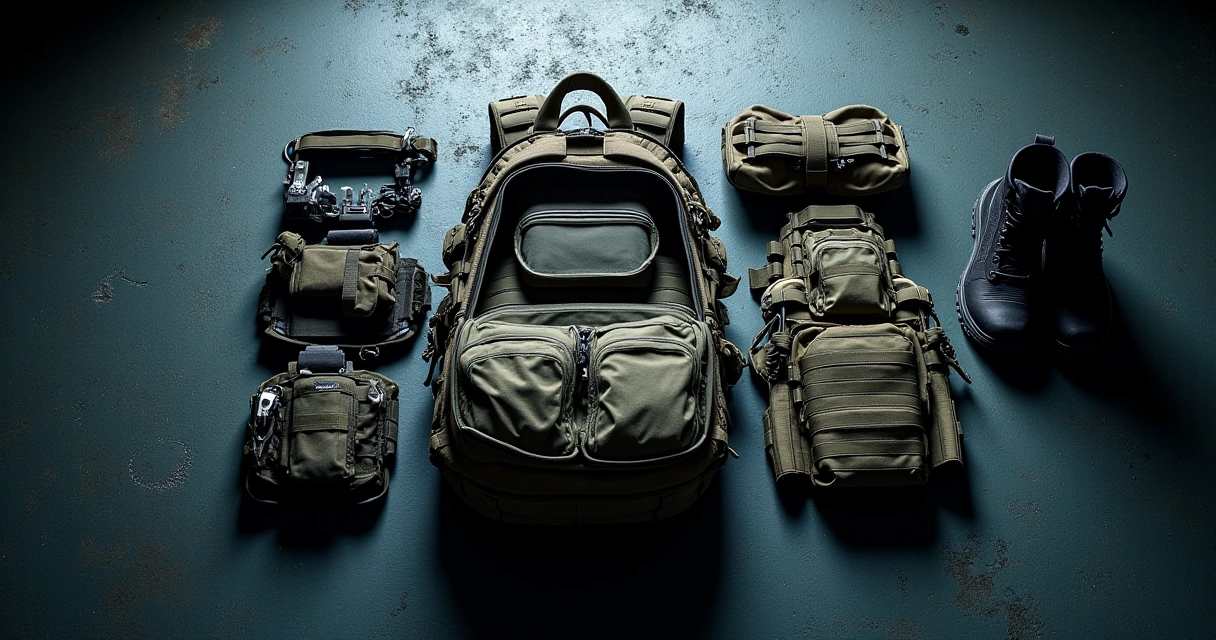
Modularity is non-negotiable. Your gear should be able to adapt as scenarios evolve. Molle system compatibility allows you to attach pouches, holsters, or additional plates quickly. Think of your setup like a custom toolbelt — tailored to your mission, scalable, and quick to reconfigure. If you’re already invested in a system, choose pouches and accessories from reputable manufacturers that lock in securely and stay put during movement.
Compatibility prevents waste and ensures you don’t carry redundant or incompatible gear. When bugging out, your loadout may shift from medical supplies to ammunition or survival tools — modular pouches facilitate this without needing new gear. Real-world tip: Mark your pouches with labels or color codes for rapid identification under stress.
Selecting Tactical Backpacks and Plate Carriers
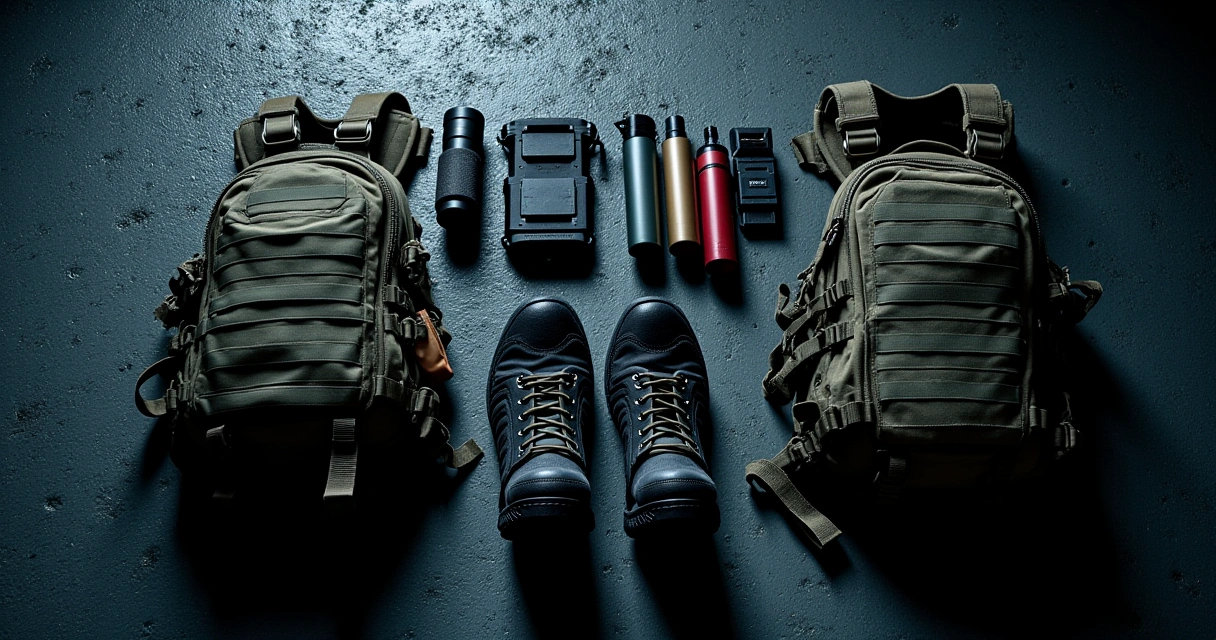
Choose a backpack based on capacity, material durability, and access points. In the field, a pack with multiple access points allows you to grab gear without exposing yourself. Look for heavy-duty zippers, reinforced seams, and hydration sleeve compatibility. Remember, in a hostile environment, your pack needs to withstand rough terrain and weather.
Plate carriers should be fitted snugly but not restrict movement. The primary goal is to absorb rounds and distribute weight evenly so you can maneuver swiftly. Plate material (ceramic vs. steel) impacts weight and ballistic protection; pick what matches your threat assessment. Coupled with a well-structured loadout, a good carrier remains comfortable over hours of movement or combat.
Choosing Practical EDC and Emergency Kits
Your everyday carry belt and small first aid kits are your first line of defense — pick durable, easy-to-access items. Think modular: a lightweight trauma patch, multi-tools, flashlight, and a small med kit should be accessible at all times. The key is balance — too much, and you won’t carry it; too little, and you’re unprepared.
For longer-term scenarios, your bug-out and survival kits must be comprehensive. Focus on high-quality shelter, fire-starting tools, nutrition, and medical supplies. Prioritize reliable, field-proven gear that you’ve tested — cheap tools break or fail when you need them most. Remember, you’re preparing for a worst-case scenario, not a weekend camping trip.
The Role of Footwear and Hydration in Survival
Never underestimate the importance of tactical boots. They must be durable, supportive, and suitable for rugged terrain. Nothing slows your mission like blisters or ankle injuries. Break in new boots properly and choose options with waterproof and puncture-resistant soles.
Hydration systems aren’t just about carrying water—they’re about quick access and durability. A reliable hydration bladder or bottle, fitted with a sturdy tube and leak-proof cap, keeps you moving without hassle. If dehydration hits, performance drops fast. Always carry backup filters or purification tablets.
Real-World Use Cases and Tips
Field experience is the ultimate teacher. Deploy your gear on range days, camping trips, or vehicle drills. If a pouch or pack doesn’t hold up under simulated stress, it’s not worth relying on in an emergency. Use real scenarios to refine your setup—adjust load distribution, accessibility, and modular attachments.
Always carry backup gear: spare batteries, additional plates, or a second medical pouch. Field-test every piece, and refine your system regularly. In an actual incident, your ability to adapt and rely on proven gear can make all the difference.
Frequently Asked Questions
How do I determine what size backpack I need for survival?
Assess your typical loadout: include food, water, shelter, medical, and tools. For most, a 40-55 liter pack balances capacity and portability. Think about your mobility needs—bigger isn't always better if it hampers movement during a crisis.
What’s the best material for a plate carrier?
Ballistic nylon with reinforced stitching is standard. Ceramic plates offer lightweight, high protection but are more fragile. Steel plates are heavier but nearly indestructible. Match your threat level with your plate choice and ensure compatibility with your carrier.
How often should I inspect and replace my gear?
Inspect everything quarterly—look for tears, mold, or wear. Replace consumables like batteries, medical supplies, and filters annually. Test critical items regularly—flashlights, hydration systems, and radios—to ensure readiness under stress.
Is it better to carry a dedicated first aid kit or a smaller trauma kit?
A dedicated trauma kit with tourniquets, hemostatic agents, and bandages is ideal for serious injuries. A smaller, general first aid kit should be part of your everyday carry. Both are necessary for different scenarios.
How should I fit my plate carrier for long-term wear?
Ensure the carrier fits snugly without restricting breathability or movement. Adjust straps to distribute weight evenly across your shoulders and hips. Practice wearing it for extended periods to identify discomfort early and make adjustments.
Choosing the right survival gear isn’t about the latest hype — it’s about proven durability, real-world utility, and system integration. Invest in quality, test your setup regularly, and always adapt based on experience. Your ability to depend on your gear in the field will determine your survival in tough times.
Next step? Audit your current setup, identify weaknesses, and upgrade with purpose. Focus on load-bearing capacity, modularity, and tested materials. Tactical gear is a force multiplier — treat it as such.