How to Choose the Right Tactical Backpacks
How to Choose the Right Tactical Backpacks
In the world of preparedness and tactical operations, your pack is your lifeline. Whether you’re heading out on a range day, bugging out from a compromised situation, or just keeping your EDC gear organized, choosing the right tactical backpack is crucial. It’s not about the latest marketing hype—this is about durability, modularity, and real-world capacity. When seconds count, and the terrain gets rough, your pack needs to perform without fail.
Don’t settle for a one-size-fits-all. Your gear loadout—plates, pouches, hydration, tools—demands a pack that can handle the workload. Think tactically: Evaluate your needs based on mission scenarios, carrying capacity, and how your gear integrates. This guide cuts through the BS to give you straightforward, combat-veteran-approved advice on selecting a backpack that’ll keep you ready in any situation.
Table of Contents
Understanding Your Loadout and Mission
Before choosing a pack, define exactly what you’ll carry. Are you prepping a bug-out bag with heavy gear—plates, medical supplies, food? Or is this an EDC pack meant to carry your everyday carry essentials, flashlight, multitool, and first-aid kit? Your mission dictates the design priorities.
If you’re planning to run a plate carrier with extra pouches, your backpack should complement that load—focused on durability and capacity without redundancy. Conversely, a bug-out scenario demands a versatile pack with ample space, quick-access compartments, and robust attachment points for modular pouches like MOLLE. Know your scenario—then match your pack to it. Misjudging load requirements leads to fatigue, slow response, and gear failure.
Assessing Material Durability and Construction
A tactical backpack lives a hard life—abrasion, weather exposure, rough handling. Look for high denier nylon or Cordura fabric, both proven in field conditions. Reinforced stitching at stress points, padded and reinforced bottom panels, and water-resistant coatings are non-negotiable. A pack that falls apart in the first six months is a failure.
Pay attention to zippers—YKK or equivalent military-grade zips resist the grit and grime of field use. Webbing and strap attachments should be modular with bar-tack reinforcement, reducing the chance of tearing under load. Consider how seams are sewn—double or triple stitched for longevity. Durability isn’t flashy, but it’s essential when your gear is on the line.
Evaluating Capacity and Modular Storage
Capacity isn’t just about liters; it’s about how your gear components fit together. For use with plate carriers and MOLLE pouches, a 20-30L pack strikes a good balance—enough space for essentials without becoming a weight magnet. Larger packs, 40L+, are suitable for longer duration missions or larger medical kits but can become burdensome if not managed properly.
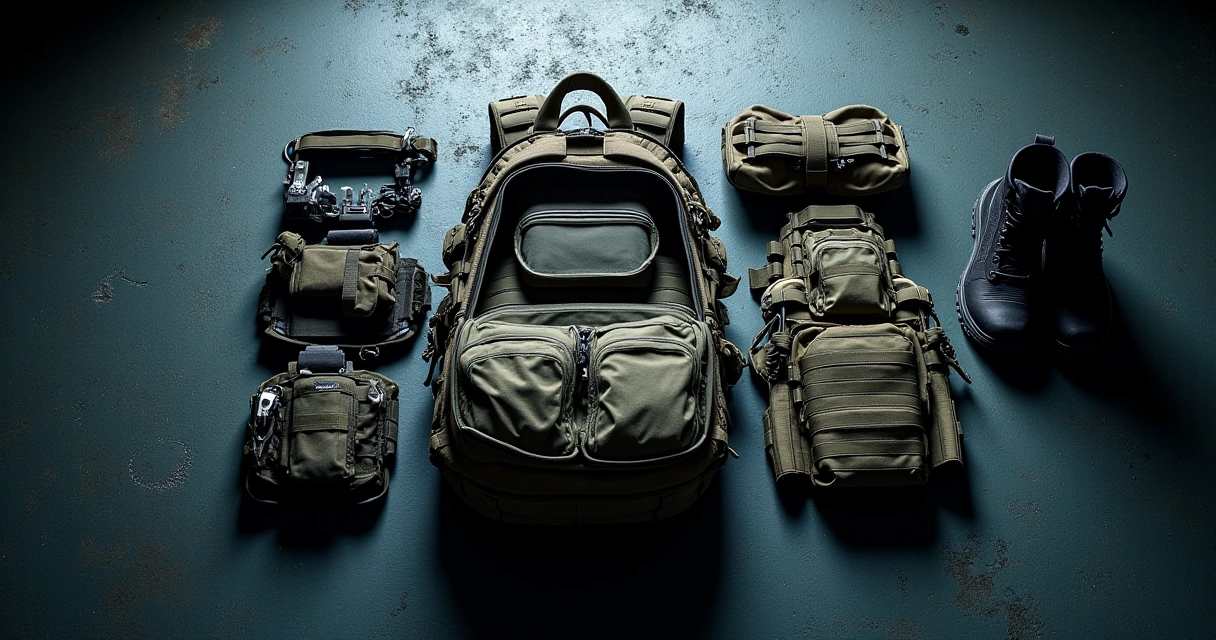
The real strength lies in modularity. Look for MOLLE panels, loop fields, and compatible attachment points. Pouches for med supplies, comms gear, or admin tools should mount securely and access easily. You want quick retrieval during high-stress moments; adjust your organization accordingly. Remember—well-organized packs save lives.
Comfort and Fit for Extended Deployments
No matter how tough the pack, if it’s not comfortable, fatigue will wreck your focus and effectiveness. Wide, padded shoulder straps, a padded waist belt, and a supportive back panel are key. Look for adjustable straps and load lifters that help you dial in fit, especially if you’re carrying heavy loads with plates.
Consider how the pack distributes weight—tight and close to your body versus loose and unstable. For long marches, a ventilated back panel helps prevent sweat buildup. Test the pack’s fit with a full load before deploying—what fits well during a quick walk may fail during a long day on the trail or in the field.
Additional Features: Hydration, Accessibility, and Weather Resistance
Water is life. An integrated or compatible hydration reservoir is almost standard now, but verify how easy it is to refill and clean. Quick-access pockets for maps, radios, and optics are critical—if you’re running a bug-out scenario or SHTF event, seconds count.
Weather resistance goes beyond just water resistance. Consider packs with rain covers, sealed seams, and durable zippers. In real-world use, heavy rain while on the move can soak gear that isn’t protected—leading to malfunction and discomfort. Think modular, rugged, and ready.
Making Your Final Choice: Practical Tips and Recommendations
Use your real-world scenarios as your filter. Read reviews from operators who field-test gear, not just bloggers hyping features. Stick to brands with proven durability and field history—know what’s battlefield tested versus marketing fluff.
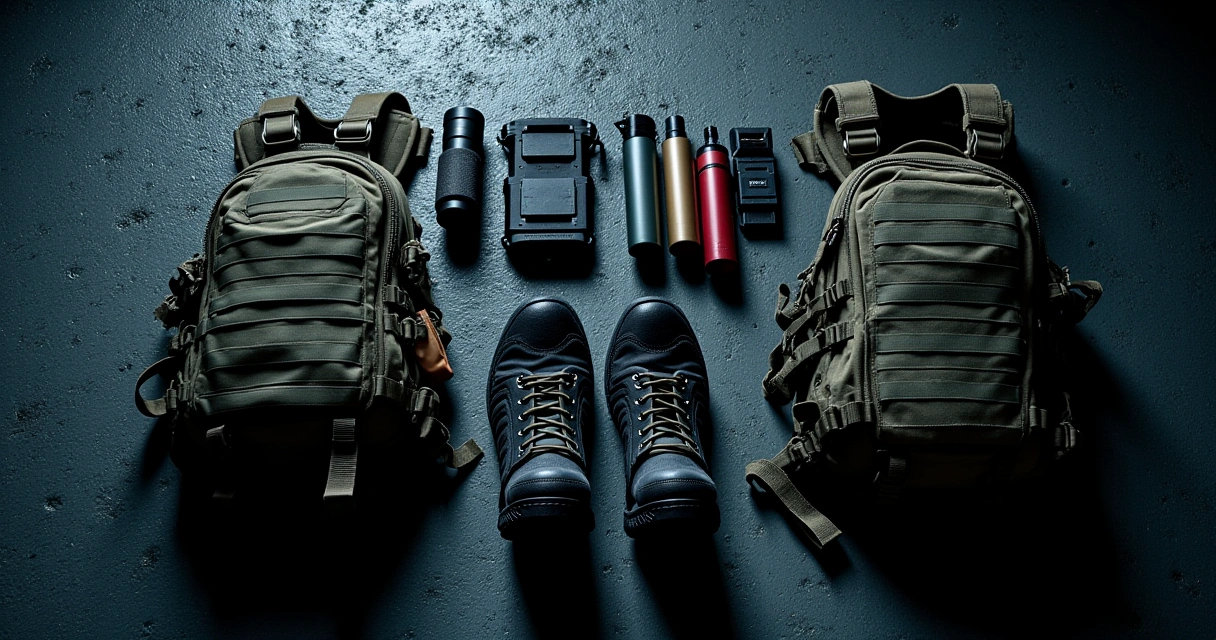
Balance capacity, durability, and comfort. Don’t overcomplicate—your pack should integrate seamlessly with your other gear: plate carriers, pouches, flashlights, belts, and boots. A well-chosen tactical backpack is a force multiplier, not a liability. When chasing the right fit, always consider the toughest conditions you’ll face—humidity, rain, rough terrain—and select accordingly.
Frequently Asked Questions
Can I carry plates in a tactical backpack?
Yes, but ensure the pack has reinforced back panels, proper load distribution, and secure compartments to handle weight safely without compromising mobility.
What size should I choose for a bug-out bag?
Between 40-55L is typical. It needs to hold the essentials—food, water, shelter, medical supplies—without becoming a weight monster. Balance capacity with mobility.
How waterproof should a tactical backpack be?
Look for packs with sealed seams, water-resistant fabrics, and rain covers. You can also add a dry bag inside for critical electronics and documents.
Is MOLLE compatibility necessary?
If you plan to customize your gear with pouches and modular attachments, yes. It’s the backbone of adaptability for tactical packs.
How do I maintain my tactical backpack?
Clean it regularly with mild soap and water, inspect stitching and zippers, and keep MOLLE attachments tight and secure. Store it dry and out of direct sunlight to prolong lifespan.
What's more important: capacity or durability?
They go hand-in-hand. Prioritize durability first—your pack won’t matter if it fails under load. Ensure capacity matches your mission needs.
Choosing the right tactical backpack isn’t about chasing the latest trend; it’s about field-testing what works. Prioritize durability, modularity, and fit—then tailor your gear for your specific operational needs. When you get this right, your pack becomes an extension of your skillset, ready to perform—day after day, scenario after scenario.
Start by assessing your actual loadout, set your priorities based on your mission, then invest in a quality pack built with battlefield conditions in mind. Practice packing, adjust fit, and integrate it seamlessly with your existing gear. Your preparedness depends on it.