

How To Choose The Right Tactical Backpacks 2026
Most gear failures in the field aren't caused by a lack of ammunition or medical supplies; they are caused by the load-bearing system giving out before the mission does. Whether you are running a vehicle kit for a three-day camping trip or loading up a bug-out bag for a long-haul displacement, your backpack is the foundation of your operation. In 2026, the market is flooded with "tactical" looking bags that use cheap nylon and plastic buckles designed to snap under stress. As a combat vet and preparedness consultant, I don't care about the paint job or how many pockets it has. I care about whether the webbing holds when you’re dragging a casualty, whether the zippers survive sand and grit, and whether the suspension system keeps your spine aligned after 12 miles on rough terrain.
Our Top Picks
Affiliate disclosure: if you buy through these links, we may earn a commission at no extra cost to you.

Table of Contents

Quick Answer
Choose a tactical backpack based on its suspension system and base material, not its aesthetic. Look for 500D to 1000D Cordura or equivalent high-tenacity nylon, YKK Aquaguard zippers, and a rigid frame sheet that distributes weight to your hips, not your shoulders. Ensure the MOLLE/PALS webbing is stitched with heavy-duty bonded nylon and that the bag has a dedicated hydration sleeve and admin panel for rapid access to critical tools like your tactical flashlight and first aid kit.
Material Durability and Fabric Weight
Stop looking at the color. Olive drab, tan, or black doesn't matter if the fabric tears when you snag it on a branch or scrape against a concrete barrier. The industry standard for tactical durability remains Cordura, but you need to understand the denier rating. 500D is the minimum viable option for a lightweight EDC (Everyday Carry) pack. It offers good abrasion resistance for city environments and range days. However, if you are talking about a bug-out bag, survival gear, or a load-bearing pack for vehicle emergencies, you need 1000D Cordura or a high-density 500D-1000D hybrid. Thicker fabric resists punctures from sharp rocks, brush, and debris.
Pay attention to the fabric treatment. In 2026, you will see more bags utilizing DWR (Durable Water Repellent) coatings out of the box. This isn't waterproofing, but it sheds light rain and keeps your gear dry in a drizzle. More importantly, check the bottom of the pack. Many manufacturers use a harder, more abrasion-resistant material on the base to handle the abuse of being set down on rough ground. If the bottom is the same thin material as the sides, your bag will have a hole in it within a month of regular use.
Suspension Systems and Load Distribution
A tactical backpack is not a fashion accessory; it is a load-bearing device. The most critical component is the suspension system. Cheap bags rely on thin foam padding and a flat strap. Good bags use a suspended mesh back panel that allows airflow and keeps the load away from your spine, reducing heat buildup and fatigue. For heavier loads (over 30 lbs), you need a rigid frame sheet—usually aluminum or a stiff plastic—running the length of the pack. This frame transfers the weight from your shoulders to your hip belt.
If you are using this pack for hiking, camping, or long-distance movement, the hip belt is where the weight must sit. A well-padded, sternum-strap-equipped hip belt stabilizes the load and prevents the bag from swaying, which can throw off your balance on uneven terrain. For urban EDC or vehicle kits where you might only carry 10-15 lbs, a simpler suspension is fine, but it still needs to be contoured to fit your body type. A bag that doesn't fit your torso length will dig into your neck and make carrying even a light load painful.
MOLLE Modularity and Attachment Points
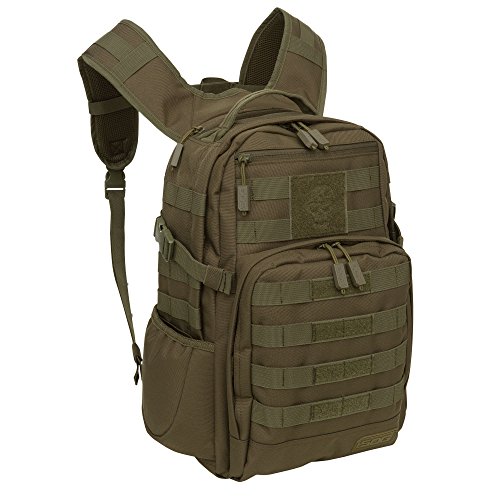
MOLLE (Modular Lightweight Load-carrying Equipment) and PALS (Pouch Attachment Ladder System) webbing are the standard for tactical modularity. However, not all MOLLE is created equal. Cheap webbing is often made of thin, weak nylon that can rip out of the bag when you attach a heavy hydration bladder or a full first aid kit. Look for webbing that is stitched with bonded nylon thread and reinforced with bar-tacks at the ends.
Consider the layout of the webbing. A bag with MOLLE on the front, sides, and bottom offers maximum versatility. The side pockets are crucial for attaching water bottles, a rolled-up sleeping mat, or a compact shovel. The bottom MOLLE allows you to lash down a sleeping bag or a tent, keeping the main compartment free for heavier items. Be wary of bags that claim to be MOLLE-compatible but only have a few small strips of webbing on the front flap. That is cosmetic MOLLE, designed to look tactical without offering real utility.
Hydration and Admin Panel Access
Hydration is a lifeline. Your backpack must have a dedicated, insulated hydration sleeve inside the main compartment. This sleeve should have a port on the shoulder strap or top of the bag to route the hose. Insulation is key in hot climates to prevent your water from becoming lukewarm. Additionally, look for a quick-access admin panel. This is a smaller compartment on the front or top of the bag where you can store items you need immediately: your tactical flashlight, multi-tool, gloves, or a trauma kit.
Access to the main compartment is also vital. A clamshell opening (opening like a suitcase) allows you to see and organize everything inside, which is helpful for vehicle kits or base camp setups. A top-loading bag is better for hiking and movement, as it is more compact and less likely to snag on obstacles. For a true tactical pack, a hybrid design with a top loader and a side zipper for quick access to the admin panel is often the most practical choice.
Zipper Quality and Weather Resistance
The zipper is the weakest link in any bag. In a tactical or survival scenario, a stuck or broken zipper can be a disaster. You must look for YKK zippers, specifically the Aquaguard or similar water-resistant models. These zippers have a laminated tape that prevents water and dust from entering the bag. Avoid bags with generic "TAC" branded zippers or plastic coil zippers that jam easily. Metal coil zippers are durable but can rust; plastic coil zippers are lightweight but can break under tension.
Consider the zipper pulls. In cold weather or when wearing gloves, small plastic pulls are useless. Look for bags with large, durable pulls that are easy to grip. Some tactical bags offer dual zipper pulls that can be locked together to secure the main compartment, adding a layer of security against theft or accidental opening. Also, check if the bag comes with a rain cover. While a DWR coating helps, a dedicated rain cover is essential for protecting your gear during prolonged exposure to heavy rain or snow.
Frequently Asked Questions
What is the difference between 500D and 1000D Cordura?
500D is lighter and more flexible, suitable for urban EDC and light hiking. 1000D is heavier, thicker, and more abrasion-resistant, ideal for rugged terrain, vehicle kits, and heavy loads.
Do I need a hip belt on my tactical backpack?
If you plan to carry more than 20-25 lbs, a hip belt is essential to transfer weight to your hips and reduce shoulder fatigue. For light EDC loads (under 15 lbs), it may be unnecessary bulk.
How do I maintain my tactical backpack?
Clean it with mild soap and water after use. Re-apply DWR spray periodically to maintain water resistance. Keep zippers clean and lubricated with a zipper wax or silicone spray.
Can I use a tactical backpack for everyday carry?
Yes, but consider the size. A 30L+ bag may be overkill for daily use. Look for a compact, low-profile bag with a dedicated laptop sleeve and admin panel for quick access to your wallet and keys.
What should I look for in a hydration bladder?
Look for a BPA-free bladder with a wide mouth for easy cleaning, a bite valve that doesn't leak, and a hose that is stiff enough to stay in place but flexible enough to route comfortably.
Conclusion
Choosing the right tactical backpack in 2026 comes down to prioritizing function over form. Ignore the marketing hype and focus on the fundamentals: durable fabric, robust suspension, reliable zippers, and smart modularity. Your gear is only as good as its weakest link, and that link is often the bag itself. Invest in a pack that can handle the abuse of the field, and you will have a reliable partner for any mission, whether it's a weekend camping trip or a long-term emergency. Start by assessing your load requirements, then build your kit around a bag that can carry it comfortably and securely.


