How to Choose the Right Tactical Flashlights
How to Choose the Right Tactical Flashlights
If you’re serious about preparedness—whether on the range, in the field, or during an emergency—your flashlight needs to be more than just a cheap light on your keychain. A tactical flashlight is a force multiplier; it’s an essential tool that can mean the difference between safe navigation and vulnerability when seconds count. Not all lights are created equal, and selecting the right one isn’t about marketing buzz—it’s about real-world performance under stress.
In this guide, I’ll cut through the fluff and give you the hard data you need to make an informed choice. When your life depends on illumination, only the best will do. Let’s get into it.
Table of Contents
Understanding Tactical Flashlight Features
When choosing a tactical flashlight, focus on builds that prioritize ruggedness, reliability, and quick deployment. These lights are designed to operate in adverse conditions—think mud, rain, cold, or heat—so material quality is paramount. Look for flashlights with aircraft-grade aluminum bodies, sealed O-rings, and textured grips. These features prevent damage and ensure you can operate them with gloves or in wet conditions.
True tactical lights also feature momentary activation switches and one-handed operation capabilities. If you find yourself needing to switch on a dime—whether during a hostage rescue, vehicle extraction, or night patrol—your flashlight should respond instantly and reliably.
Beam Pattern and Output Power
The core purpose of your tactical light is to illuminate threats, identify targets, and navigate safely. That means understanding beam types. A tight, focused beam (thrower) allows you to reach farther and spot targets across open terrain. A wider flood beam is better for close-quarters work, like inside vehicles or buildings.
Output power, measured in lumens, varies widely. A good tactical flashlight should produce at least 600 lumens—enough to temporarily dazzle an attacker or illuminate a dark alley. For serious work, 1,000+ lumens ensures you can identify threats clearly at range. Keep in mind: higher lumens drain batteries faster. Balance output with runtime requirements.
Durability and Material Build
In real-world use—be it crawling through underbrush, dropping in a vehicle, or pounding gear onto concrete—your flashlight must withstand abuse. The ideal design includes aerospace aluminum housing, diamond-cut knurling for grip, and an IPX7 or higher water-resistance rating. Military-grade lights are tested for shock, vibration, and water ingress.
Never compromise on build quality. A cheap plastic body or a flimsy switch will fail when you need it most. Consider also the glass lens—sapphire is more scratch-resistant than tempered glass.
Battery Type and Runtime
Battery technology influences everything—size, weight, cost, and reliability. Lithium-ion rechargeable batteries are standard for high-performance models, offering a balance of power density and rechargeability. Some budget lights use CR123A batteries—still reliable, but you’ll need spares to extend operation in the field.
Look for models that specify runtime at different lumen levels. If you’re on a patrol or in a survival situation, you want enough battery life to last hours, not minutes. Fast-charging and compatibility with standard batteries (like AA or AAA, in emergency) can be a lifesaver in long-term scenarios.
Size, Weight, and Ease of Use
Size and weight are more than convenience—they’re mission-critical. A heavy, bulky flashlight drains your energy and can snag on gear. A tactical light should be lightweight enough for one-handed operation, with a body designed for quick deployment. Remember, if you’re using a plate carrier or EDC belt, you need a light that fits your rig without sacrificing maneuverability.
Switch placement matters—prefer tail-cap switches or dual switches to activate with gloved hands. Consider also the tail cap design—flat for stowing in a pocket or a clicky switch for quick activation. Consistency in use allows for muscle memory under stress.
Additional Features to Consider
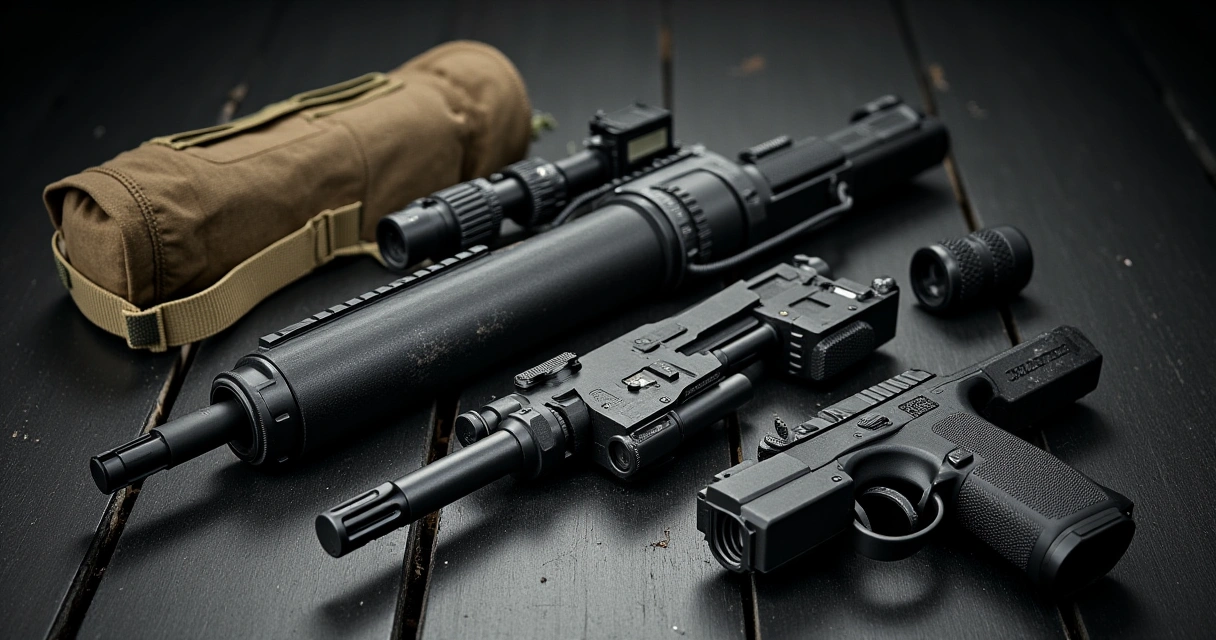
Many tactical lights come with features like strobe modes, adjustable focus, and compatibility with accessories (such as filters or mounts for weapon attachment). Strobe functions can disorient threats or serve as a distress signal. Adjustable focus allows you to swiftly switch between throw and flood modes. Mounts and holsters are critical if you plan to attach the light directly to your rifle or belt.
Don’t get caught up in gimmicks; choose proven features that enhance your ability to perform—nothing more, nothing less.
Frequently Asked Questions
How many lumens do I really need for tactical use?
Generally, 600–1,000 lumens cover most tactical scenarios, providing enough brightness for identification, disorientation, and threat management. Higher lumens can be useful but drain batteries faster and may be more cumbersome.
Is waterproof rating really important?
Absolutely. Look for IPX7 or higher—these flashlights can handle rain, splashes, and accidental drops in water without failing during critical moments.
How long should my flashlight run on a standard battery?
Expect at least 2-4 hours at moderate lumen output. For extended use in the field, choose a model with longer runtime or carry spare batteries.
Should I prioritize size or brightness?
Balance is key. A compact, high-lumen light is preferable—size sacrifices often mean less power or durability. Find a model that fits your rig but still delivers rugged performance.
What’s better: rechargeable or disposable batteries?
Rechargeables are more cost-effective and reliable over time, especially if you have access to power. Disposable CR123s are still viable for quick swaps but add ongoing costs.
Are weapon-mounted lights worth it?
If your mission involves firearms, yes. Mounting your light on your rifle provides instant targeting and threat identification. Ensure compatibility and training for quick on/off operation.
Choosing the right tactical flashlight isn’t about hype—it's about matching performance to your specific operational needs. Focus on durability, power, runtime, and ergonomics, and always test your gear under real-world conditions. The right light can save your life—or expose you to unnecessary risk. Get serious, do the homework, and pick the model that will perform when it counts.