

Plate Carriers Buying Guide What To Look For In 20
Our Top Picks
Affiliate disclosure: if you buy through these links, we may earn a commission at no extra cost to you.
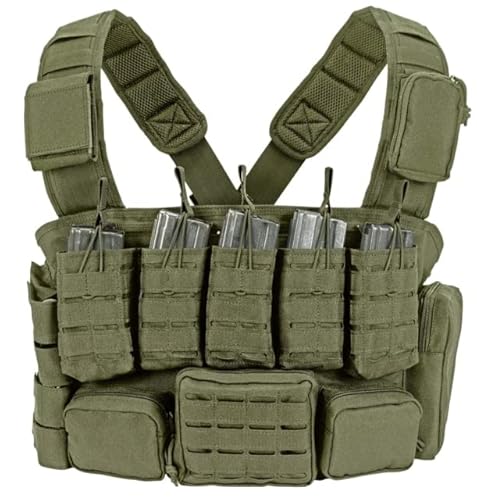

Factors to Consider
Plate Compatibility and Cut
The single most important decision is which plates the carrier is built to accept — know the cut (SAPI, shooter/combat, curve) and plate thickness that match your mission. A flat plate in a curved carrier or vice‑versa kills comfort and will chafe on long range days or in vehicle kits. Confirm the carrier supports side/ESAPI cuts if you plan to add flank protection or run multi‑plate setups in the field.Load‑Bearing Capacity and Weight Distribution
Evaluate the cummerbund design, shoulder straps, and attachment points for pouches — a carrier that carries plates but dumps weight into your neck is a failure. Look for wide, padded straps, load‑bearing cummerbunds (rigid or padded with reinforced MOLLE), and a solid drag handle; these features keep rifle plates and mags balanced during movements on range, patrol, or hiking. Prioritize carriers built to spread weight across the torso so you retain agility under stress.Materials, Construction, and Durability
You want proven fabrics and hardware: 500D–1000D Cordura or equivalent ballistic nylon, reinforced stitching at stress points, and Mil‑Spec webbing and buckles. Breakthroughs in 20th‑century materials science turned armor from layered cloth and metal into compact plate systems that can still fail if the carrier’s construction is weak (source: Chase Tactical). Inspect seams, box‑stitching on MOLLE, and replaceable components — those win long deployments and frequent range use.Modularity and Accessory Integration
Modular systems let you tailor the carrier to the task: laser‑cut MOLLE, removable admin panels, quick‑release options, and dedicated hydration routing are mission multipliers. If you swap between EDC, vehicle kit, and camping/bug‑out configurations, choose a platform with standardized attachment geometry so you can reuse pouches and holsters. Modularity also eases upgrades — you can add trauma kits, comms, or extra magazines without buying a new carrier.Comfort, Fit, and Real‑World Mobility
Fit matters more than features — a well‑fitted carrier lets you shoot, run, and climb without readjusting. Test plate sit (top of plate at sternum), shoulder clearance for slings, and how the carrier rides when seated in a vehicle or wearing a pack; the U.S. Army’s adoption of plate carriers in 2009 emphasized the need for mobility and comfort in modern operations. Prioritize carriers with adjustable height, belly clearance, and breathable backing for full‑day wear.Frequently Asked Questions
What plate sizes and cuts should I buy for a plate carrier?
⚡ Quick Answer
Match the plate cut to your carrier: standard SAPI, shooter/combat cut, and curved plates are the common options. Measure torso height and shoulder position so the top of the plate sits at the sternum for optimal coverage without restricting head movement; manufacturers list compatible plate dimensions for each model.
Table of Contents
Can civilians legally buy and wear plate carriers?
Laws vary by state and country — purchasing plates and carriers is legal in many U.S. states, but some localities restrict possession, usage, or wearing in public. Always check local statutes and remember that while carriers are sold for preparedness and range use, use in public spaces can draw law‑enforcement attention or legal issues.
How do I balance protection and mobility?
Prioritize agility: lighter setups, proper plate selection, and a carrier that distributes weight let you stay effective during range days, vehicle extractions, or off‑grid movement. Expert guidance stresses comfort and mobility as key to survivability — a heavy, poorly balanced load slows reaction times and increases fatigue (expert insight).
Does carrier material really matter?
Yes — fabric denier, hardware quality, and stitching determine how long a carrier lasts under real use. Breakthroughs in materials in the 20th century made modern ballistic systems possible, but a weak carrier will fail long before your plates do; pick proven Cordura/ballistic nylon and Mil‑Spec components (source: Chase Tactical).
What’s the difference between a plate carrier and an armored vest?
Plate carriers are modular platforms designed to accept hard ballistic plates for rifle or multi‑hit protection, while armored vests often integrate soft armor panels for stab or handgun threats. Plate carriers prioritize modularity and load‑bearing capacity for tactical gear, whereas vests focus on wraparound soft protection and concealability.
How should I maintain and inspect my plate carrier?
Regularly inspect webbing, buckles, seams, and hook‑and‑loop for wear; rinse salt, mud, and sweat off and store in a cool dry place. Check attachment points and replace worn components — a carrier fails most often at the stitching, not the plates.
Which carrier features matter most for vehicle or patrol use?
For vehicle and patrol roles, quick‑release systems, low‑profile cummerbunds, and compatibility with seat harnesses matter most so you can move between seated and standing positions. The U.S. Army’s 2009 move to plate carriers reflects the need for modular, mobile solutions that integrate with other load carriage and vehicle systems (historical note).
Conclusion
Buy a carrier that matches your plates, spreads the load, and lets you move without compromise — speed and endurance win in the field. If you need one recommendation: choose a modular, well‑built plate carrier with reinforced load points and an adjustable fit so it works for range days, vehicle kits, and real missions.


