

Best Plate Carriers For Fall 2026
🏆 Top Picks at a Glance
 #1
Best Overall
VOTAGOO GEAR 500D Quick Release Modular Plate Carrier Men Training Vest With Drop Pouch, Adjustable Training Vest For Outdoor (Multicam)
$169.99
Check Price → #2
Runner Up
VOTAGOO GEAR 500D Quick Release Modular Plate Carrier Men Training Vest With Drop Pouch, Adjustable Training Vest For Outdoor
$159.99
Check Price →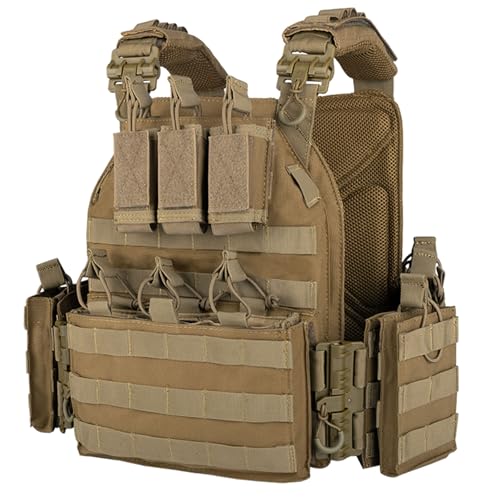 #3
Best Value
vAv YAKEDA Tactical Outdoor Carrier Vest
$76.99
Check Price →A plate carrier is only as useful as the plates it holds, the load it supports, and the mission it serves. This roundup compares the VOTAGOO GEAR 500D quick-release modular carrier listings and the vAv YAKEDA Tactical Outdoor Carrier Vest for range days, vehicle kits, camping, and preparedness use. The first VOTAGOO listing is identified as the Multicam version, while the second uses the same core product description without that designation. Because the available information does not establish a meaningful performance difference between those two listings, we treat them as separate configurations rather than making unsupported claims about protection or durability. We’ll focus on fit, modularity, durability, and practical loadout decisions instead of camouflage and marketing claims.
⚡ Quick Answer: Best Plate Carriers
Best for a Multicam Training Setup: VOTAGOO GEAR 500D Quick Release Modular Plate Carrier Men Training Vest With Drop Pouch, Adjustable Training Vest For Outdoor (Multicam)
$169.99 — Check price on Amazon →
Table of Contents
Main Points
- Confirm plate compatibility before buying. The carrier is the platform; the ballistic plate determines the protection level, and plate dimensions must match the carrier’s intended size.
- Match the design to the mission. The two VOTAGOO GEAR listings share a 500D modular quick-release setup and a listed drop pouch, with the Multicam version providing the clearest visible variation; the vAv YAKEDA is positioned as an outdoor carrier vest. Choose based on whether mobility, modularity, or a broader field load matters most.
- Do not confuse “tactical” construction with verified ballistic protection. Confirm NIJ standards, reputable manufacturing, appropriate certifications, and compliance with applicable local and state body-armor laws.
- Keep the load realistic. Plates, magazines, medical gear, tools, and sustainment equipment add up quickly, so adjust the carrier for range drills, a vehicle emergency kit, or extended outdoor use rather than carrying every pouch available.
- Use protection ratings intelligently. Level III+ is an intermediate category intended to address Level III threats plus additional rounds such as 5.56x45mm M855, while Level IV is designed for .30-06 M2 armor-piercing ammunition; select the plate threat rating first, then choose the carrier that fits it securely.
Our Top Picks
Affiliate disclosure: if you buy through these links, we may earn a commission at no extra cost to you.
Factors to Consider
Frequently Asked Questions
What is a plate carrier designed to do?
A plate carrier is a tactical vest that holds rigid ballistic plates in front, rear, and sometimes side compartments. Ceramic, steel, and polyethylene are common plate materials, but the carrier itself does not provide the ballistic rating unless armor plates are installed.
What is the difference between NIJ Level III and Level IV armor?
NIJ Level III plates are designed to stop 7.62x51mm M80 ball ammunition at approximately 2,780 feet per second. Level IV plates are designed to stop .30-06 M2 armor-piercing rifle ammunition, making the plate rating—not the carrier model—the critical protection specification.
Is Level III+ an official NIJ protection level?
Level III+ is an intermediate protection category intended to cover Level III threats plus additional rounds such as 5.56x45mm M855. Because naming and test claims can vary by manufacturer, verify the exact threat testing, documentation, and certification for the specific plate rather than relying on the “III+” label alone.
How do I know what size plate carrier to buy?
Measure the plates you intend to use and compare those dimensions with the carrier’s listed plate pocket dimensions. Sizing conventions are not universal, so check the dimensions for each reviewed carrier before buying. The two VOTAGOO GEAR 500D Quick Release Modular Plate Carrier listings are closely related; one is identified as Multicam, while the other is not. Treat them as separate choices only where the listing confirms differences in sizing, included accessories, or construction.
Is a minimalist or full-size plate carrier better?
A minimalist carrier is generally the better fit for low-bulk range use, vehicle storage, and mobility-focused loadouts. A full-size carrier offers more space for armor, magazines, medical equipment, and other mission gear, but the added capacity increases weight and bulk.
How much should I expect to spend on a quality plate carrier?
Pricing depends on construction, adjustment features, included accessories, and intended load. Compare the current prices of the reviewed VOTAGOO GEAR and vAv YAKEDA options, and remember to budget separately for plates and pouches.
What should I verify before buying body armor?
Confirm the plate’s dimensions, cut, thickness, protection rating, manufacturer documentation, and compatibility with the carrier. Also check local and state body-armor laws and verify that plates meet NIJ standards and come from reputable manufacturers with appropriate certifications.
Conclusion
The best plate carrier for fall 2026 is the one that fits your plates correctly, carries the equipment your mission requires, and stays manageable when the day gets long. The reviewed options include the vAv YAKEDA Tactical Outdoor Carrier Vest and two closely related VOTAGOO GEAR 500D Quick Release Modular Plate Carrier listings. Because the VOTAGOO GEAR listings share the same core design, compare their included drop pouch, adjustment details, and available finish rather than treating them as separate carrier designs.


