

How To Choose The Right Tactical Boots In 2026
Selecting the right tactical boots requires assessing specific needs based on intended activities and environmental conditions. Consider factors like terrain, weather, and duration of wear when choosing features such as waterproofing, insulation, or breathability. Proper sizing is critical; measure feet at their largest and test fit with intended socks to ensure adequate toe room and heel stability. Researching different brands and models helps identify which options best match individual requirements for comfort and protection.
Quick Answer
Choosing the right tactical boots involves assessing your specific needs, such as the environment and activities. Consider terrain, weather conditions, and duration of wear. Key features include material durability, waterproofing, sole traction, and ankle support. Proper sizing is critical; measure feet at the end of the day and test fit with intended socks. Ensure a snug fit without excessive heel slip or toe pressure. Research different brands and models to find those that best match your operational requirements and personal comfort preferences.
Table of Contents
- Quick Answer
- Our Top Picks
- Understand the Core Purpose of Tactical Boots
- Evaluate Environment and Terrain Requirements
- Assess Your Specific Use Case and Needs
- Analyze Construction Materials and Toe Structure
- Ensure Proper Sizing and Fit
- Apply Effective Lacing and Maintenance Practices
- Frequently Asked Questions
- Sources
Our Top Picks
Affiliate disclosure: if you buy through these links, we may earn a commission at no extra cost to you.


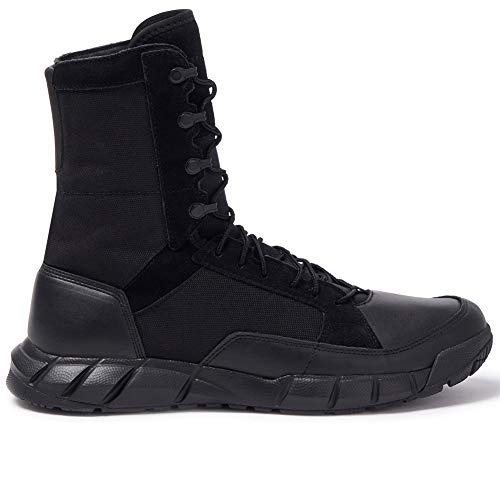
Understand the Core Purpose of Tactical Boots
The fundamental purpose of a tactical boot is defined by its capacity to endure specific demands rather than by the identity of the wearer. Its primary role is to manage three critical factors: load movement fatigue, environmental abuse, and the physical stresses placed on the body. A properly designed tactical boot serves to support the body under stress, protect the foot from terrain hazards and impact, and maintain traction across unpredictable surfaces. Ultimately, the boot exists to preserve endurance over extended periods of use. Comfort should not be viewed as the primary goal in this context. Instead, comfort is understood as a secondary result achieved through correct support, proper fit, and robust construction. It is not derived from soft padding or highly flexible materials. A boot that feels comfortable for a short duration but fails to perform after eight hours of use is considered a liability rather than a useful tool. The core function remains focused on structural integrity and protection under stress, ensuring that the wearer can maintain performance in challenging conditions without the footwear becoming a detriment to their operational capability.
Evaluate Environment and Terrain Requirements
When selecting tactical boots, the primary consideration may need to be the specific environment where the footwear will be used most frequently. The ground conditions dictate the necessary construction features and material durability. For instance, concrete surfaces place significant stress on cushioning systems, requiring robust midsole support to maintain comfort over long periods. Conversely, wet conditions can compromise stitching and waterproof membranes if they are not adequately protected. Dust and sand present their own challenges, potentially damaging zippers and breathable fabric interfaces if the boot design does not account for particulate intrusion. Additionally, environments involving frequent vehicle operation impose constant stress on soles and midsoles due to repetitive movement and pressure. A boot designed to excel in one specific setting may fail quietly when moved to a different terrain. This principle applies across various roles, including law enforcement, contracting, ranch work, and urban professional duties. Individuals who anticipate unpredictable situations should also consider how their typical terrain might change. Evaluating these environmental factors before considering brand, features, or price ensures that the chosen boot aligns with the actual physical demands of the user’s daily activities. This approach helps prevent premature wear and maintains performance integrity in the intended operational context.
Assess Your Specific Use Case and Needs
When selecting tactical boots, the first step involves clearly defining the primary purpose for which they will be used. Different applications, such as everyday wear, military operations, law enforcement duties, or hiking, require specific features tailored to those activities. It is important to consider the level of protection needed for the intended use, including factors like impact resistance, puncture resistance, and electrical hazard protection. Climate conditions also play a significant role in determining the appropriate boot type. For hot weather environments, breathable materials are crucial to prevent overheating and moisture buildup within the boot. Conversely, cold environments necessitate insulated boots to retain warmth and maintain comfort during extended use. Proper fit is another critical aspect of assessing needs. Ill-fitting boots can lead to blisters, discomfort, and potential injuries, so taking time to measure feet and consulting size charts is essential. This ensures the boot supports the specific physical demands of the user’s activities without causing unnecessary strain. By evaluating these factors—primary purpose, protection requirements, climate suitability, and fit—users can better align their choice with their specific operational or recreational needs.
Analyze Construction Materials and Toe Structure
The upper section of a tactical boot serves primarily for containment and protection rather than comfort. Manufacturers typically construct uppers using combinations of full-grain leather, split leather or suede, and nylon or Cordura-style synthetics. Each material presents specific tradeoffs. Leather-dominant uppers provide superior resistance to abrasion, maintain their structure over time, and offer better lateral stability, though they break in more slowly and retain heat. Conversely, synthetic-heavy uppers reduce overall weight and improve breathability while breaking in faster, but they tend to wear out sooner when subjected to friction and heavy loads. The assumption that lighter materials are always better depends heavily on the environment; rough surfaces like concrete, vehicle entry points, and uneven ground can degrade lightweight uppers much faster than dirt or trails. Regarding toe structure, designs generally fall into three categories: soft toe, reinforced toe caps, and composite safety toes. Soft toes maximize flexibility and reduce weight for extended walking comfort but sacrifice impact protection. Composite toe boots are engineered for environments involving dropped gear, vehicle work, industrial settings, or confined spaces. Users engaging in daily movements such as loading equipment, working around vehicles, or navigating tight spaces with hard edges may find composite toes essential for preventing injury. The choice between these structures involves balancing flexibility against the level of impact protection required for specific duties.
Ensure Proper Sizing and Fit
Ensuring proper sizing and fit is essential for comfort, performance, and injury prevention when using tactical boots. The ideal fit allows for natural foot movement while providing adequate support, meaning the boot should feel snug without being excessively tight. When determining size, it is important to measure feet accurately, preferably at the end of the day when they are at their largest due to daily expansion. Use a flat surface and paper to trace the foot outline while wearing the specific socks intended for use with the boots. Measure the distance from the heel to the longest toe for length, and the widest part of the foot for width. Compare these measurements against the manufacturer’s size chart to select the appropriate size. Testing the fit involves trying on the boots while standing and walking. There should be sufficient room in the toe box to wiggle toes freely, and the heel should not lift excessively during movement. Attention may need to also be paid to the boot’s width, as a narrow fit can lead to discomfort or blisters. If the boots cause pinching or pressure points, a different size or width should be considered. It is advisable not to assume that a poorly fitting boot will become comfortable over time, as this can lead to long-term issues.
Apply Effective Lacing and Maintenance Practices
Applying effective lacing and maintenance practices is essential for maximizing the lifespan and performance of tactical boots. Proper lacing techniques significantly impact comfort and support, while regular care prevents materials from drying out and cracking. Different lacing methods can address specific fit issues and provide customized support, ensuring feet remain secure and protected. Experimenting with various lacing approaches helps achieve a balance of support and comfort. Standard lacing involves crisscrossing laces through the eyelets and is the most common method. Ladder lacing provides a more secure fit, often utilized for boots requiring substantial ankle support. Gap lacing involves skipping certain eyelets to relieve pressure in specific areas. Additionally, using a surgeon’s knot at the ankle area offers extra security to prevent heel slippage. Regular cleaning and conditioning are vital maintenance steps. These actions keep the boots in good condition and extend their useful life. Taking care of your boots ensures they are ready for any situation. Proper care represents an investment in both the boots and overall comfort. For detailed disassembly and electrical safety regarding specific model maintenance, refer to the manufacturer’s manual for your particular boot.
Frequently Asked Questions
What are the primary functions a tactical boot is designed to manage?
A tactical boot is designed to manage load, movement, fatigue, and environmental abuse. Its primary functions include supporting the body under stress, protecting the foot from terrain and impact, maintaining traction across unpredictable surfaces, and preserving endurance over time. Comfort results from correct support and fit rather than being the main goal.
How does the tradeoff between protection and mobility affect boot selection?
Selecting boots requires balancing protection and mobility. Increased protection adds weight and stiffness, limiting movement. Enhanced mobility reduces structure and durability. This tradeoff dictates whether a boot suits heavy loads or agile, light terrain. Understanding this spectrum helps choose footwear that matches specific environmental demands and physical requirements.
What specific environmental factors should dictate boot choice?
Boot choice is dictated by the specific ground conditions encountered daily. Concrete destroys cushioning, while wet conditions punish stitching and membranes. Dust and sand kill zippers and breathable fabrics, and constant vehicle entry stresses soles. Selection may need to prioritize the environment first, as a boot excelling in one setting may fail in another.
What are the key differences between soft toe, reinforced toe, and composite toe structures?
Soft toes offer flexibility and reduced weight but sacrifice impact protection. Reinforced toe caps provide basic structural support. Composite safety toes are designed to protect against dropped gear and industrial environments. Selection depends on whether daily movement involves heavy objects or confined spaces where foot protection may be beneficial.
Why is measuring feet at the end of the day important for tactical boot fit?
Measuring feet at the end of the day is important because feet expand during activity. This ensures tactical boots fit comfortably even when feet are at their largest. Accurate measurements help select the correct size and width, preventing discomfort or blisters caused by ill-fitting footwear.
After assessing your specific operational needs and environmental conditions, the practical next step is to accurately measure your feet at the end of the day. Use these measurements to consult manufacturer size charts, ensuring you select a boot that fits snugly without excessive heel slip or toe crowding, prioritizing the correct width and length for your intended use.


