

How To Choose The Right First Aid Kits In 2026
To choose the right first aid kit, consider the specific environment and potential hazards. For workplaces, selection may depend on ANSI/ISEA Z308.1 standards, where Class A kits address common injuries and Class B kits provide broader supplies for higher-risk settings. Customization is essential to ensure contents match the risks of a home, vehicle, or outdoor activity. Regularly inspecting and restocking supplies helps maintain readiness for various emergency situations.
Quick Answer
To choose the right first aid kit, consider the specific environment and potential hazards. For workplaces, selection may depend on the ANSI/ISEA Z308.1 standard, where Class A kits address common injuries and Class B kits provide broader supplies for higher-risk settings. Customization is recommended based on whether the kit is for home, work, vehicle, or outdoor use. Regular inspection and restocking are essential maintenance steps to ensure supplies remain effective for the intended environment.
Table of Contents
- Quick Answer
- Our Top Picks
- Understanding First Aid Kit Standards and Regulations
- Essential Components of Every First Aid Kit
- Wound Care and Bleeding Control Supplies
- Medications and Treatment Solutions
- Medical Tools and Assessment Equipment
- Customizing Your First Aid Kit for Specific Environments
- Frequently Asked Questions
- Sources
Our Top Picks
Affiliate disclosure: if you buy through these links, we may earn a commission at no extra cost to you.

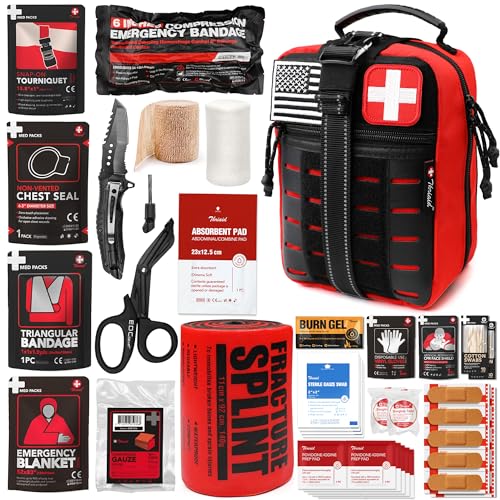

Understanding First Aid Kit Standards and Regulations
Professional emergency preparedness involves understanding the regulatory frameworks that govern first aid supplies. In the United States, the ANSI/ISEA Z308.1 standard establishes the minimum requirements for workplace first aid kits. This standard divides kits into two distinct categories, Class A and Class B, based on their intended use and the scope of their contents. Class A kits are designed to address common workplace injuries and may need to include a minimum of 16 different types of items. These kits are often intended for smaller workplaces or may serve as supplemental stations within larger facilities. In contrast, Class B kits provide a broader range of supplies, containing 24 different types of items. Because of this expanded scope, Class B kits are considered suitable for larger workplaces or environments that are more hazardous. When selecting a kit, the distinction between these two classes depends on the specific needs of the work environment and the scale of the facility. Understanding these regulatory distinctions helps ensure that the chosen supplies meet the necessary standards for the intended setting. By following the requirements set by the ANSI/ISEA Z308.1 standard, organizations can select kits that align with their specific workplace size and the level of hazard present.
Essential Components of Every First Aid Kit
To build a comprehensive first aid kit, one should focus on addressing three primary categories of emergency care. These categories include wound management, medication and treatment, and medical tools. Understanding the distinctions between these three areas ensures that a kit can be prepared to respond effectively to diverse emergency situations. When selecting supplies, the goal is to ensure that each category is represented to provide a well-rounded level of care. Wound management supplies are intended to address injuries involving skin or tissue damage. Medication and treatment solutions provide the necessary components for managing various medical conditions or symptoms. Medical tools serve as the equipment needed to perform assessments or physical tasks during an emergency. By organizing a kit around these three essential pillars, you can ensure that the contents are structured to handle different types of medical needs. Maintaining this balance between wound care, medicinal supplies, and physical tools is a fundamental principle of kit preparation. Each category serves a unique purpose, and having a clear understanding of how they function together allows for a more effective response when an emergency occurs. Focusing on these three categories helps in building a kit capable of addressing various medical scenarios.
Wound Care and Bleeding Control Supplies
Effective wound care and bleeding control requires maintaining a variety of supplies to manage different injury severities. For minor cuts and abrasions, assorted adhesive bandages may be used. For larger wounds requiring coverage or absorption, sterile gauze pads are an option. When managing major bleeding, larger trauma dressings can be utilized. Securing these dressings may involve the use of medical tape, while elastic bandages can provide compression and support. In scenarios involving severe hemorrhage, such as penetrating trauma or injuries where tourniquets cannot be applied, advanced bleeding control may be necessary. Hemostatic agents like QuikClot or Celox can provide critical capabilities for managing these types of injuries. For extremity hemorrhage, commercial tourniquets are considered essential components, reflecting updated trauma care protocols that emphasize early hemorrhage control. When selecting supplies, it is important to have multiple options to address varying levels of injury. Having a range of dressings, from small bandages to large trauma pads, allows for appropriate management of different wound sizes. Ensuring the kit contains the necessary tools for both minor abrasions and life-threatening bleeding scenarios is a key principle of effective wound management.
Medications and Treatment Solutions
When selecting medications and treatment solutions for a first aid kit, it is important to balance comprehensive coverage with safety and regulatory compliance. For those managing workplace kits, considerations should include the possibility that certain individuals may have contraindications to common over-the-counter medications. Essential supplies might include pain relievers such as aspirin, ibuprofen, or acetaminophen, as well as antihistamines for allergic reactions. Other useful items include antacid tablets, anti-diarrheal medication, hydrocortisone cream for skin irritations, and antibiotic ointment to help prevent wound infection. When organizing these supplies, the choice between bulk bottles and individual packaging is a significant factor. While bulk bottles might appear more economical, choosing individually wrapped doses can help maintain sterility and simplify inventory management. Using individual packaging also allows for more effective tracking of expiration dates. When building a kit, these medications should be selected to address various needs while remaining mindful of the specific health profiles of the people who will use them. Maintaining the integrity of the medication through proper packaging is a key principle for ensuring hygiene and managing stock levels effectively. This approach helps ensure that the treatment solutions remain safe and ready for use when needed.
Medical Tools and Assessment Equipment
Effective medical intervention and assessment require specific tools to evaluate conditions and provide appropriate care. For cutting needs, trauma shears are designed to cut through clothing while minimizing the risk of injuring a patient. Tweezers serve as a tool to remove debris, splinters, or foreign objects from wounds. For temperature monitoring, digital non-contact thermometers can provide quick readings. Cardiovascular status may be assessed using either manual or digital blood pressure cuffs, while a stethoscope allows trained users to assess heart and lung sounds. To maintain safety during procedures, examination gloves, such as nitrile gloves, can be used to prevent the transmission of disease. When performing rescue breathing, a CPR barrier device is used to protect the responder. Additionally, an emergency blanket can be utilized to maintain body temperature and prevent shock. When selecting these items, responders should consider how these instruments enable accurate evaluation and necessary care. These tools represent the hardware necessary for assessment and intervention beyond basic bandages or medications. Each piece of equipment serves a distinct function, from diagnostic tasks like monitoring vitals to physical tasks like debris removal or clothing management. Selecting the appropriate tools ensures that responders can evaluate medical conditions and provide necessary assistance.
Customizing Your First Aid Kit for Specific Environments
When preparing for specialized settings, it is important to recognize that generic first aid kits may not address the unique hazards present in certain environments. Because standard kits often lack the specific supplies needed for niche risks, customization becomes a necessary step for effective preparation. The principle of customization involves ensuring that the contents of a first aid kit are tailored to match the actual risks that a specific team or family might face. Instead of relying on a one-size-fits-all approach, the selection of supplies should be based on the particular hazards inherent to the environment where the kit will be used. By aligning the kit's contents with the actual environmental risks, users can better prepare for the specific types of injuries or medical situations that may occur. This process of tailoring supplies ensures that the medical gear is relevant to the surroundings. Rather than assuming a standard kit is sufficient, individuals should consider the unique dangers of their surroundings when deciding what to include. Effective customization means that the contents are chosen to address the specific threats present in a given location, ensuring that the medical supplies are appropriate for the actual risks encountered by the users.
Frequently Asked Questions
What is the difference between Class A and Class B kits in the ANSI/ISEA Z308.1 standard?
Under the ANSI/ISEA Z308.1 standard, Class A kits contain at least 16 types of items to address common workplace injuries and are intended for smaller locations. Class B kits provide a broader range of supplies with 24 types of items, making them suitable for larger workplaces or environments with higher-risk settings.
How can environmental factors influence the contents of a medical kit?
Environmental factors like local terrain, weather, temperature, and altitude can influence medical kit contents. Specific hazards from plants or animals may also necessitate certain supplies. Additionally, the potential for delayed rescue or the need for specific evacuation methods, such as helicopter or foot, can shape the selection of equipment and supplies for an expedition.
What are the primary categories of emergency care addressed in a first aid kit?
A comprehensive first aid kit should address three primary categories of emergency care: wound management, medication and treatment, and medical tools. Understanding these categories ensures that responders can effectively address diverse emergency situations through appropriate supplies and assessment equipment.
How do international standards like BS 8599 differ from American standards?
International standards like BS 8599 differ from American standards through varying item quantities based on workplace size and specific content types. Differences also exist regarding maintenance and inspection schedules, as well as requirements for documentation, such as inventory tracking and expiration monitoring. These British specifications emphasize customization based on risk assessments, employee counts, and specific workplace hazards.
What role do medical tools play in first aid response?
Medical tools enable responders to evaluate conditions accurately and provide appropriate care. These instruments allow for tasks such as cutting through clothing, removing foreign objects from wounds, and taking temperature readings. Additionally, tools like blood pressure cuffs and stethoscopes assist in assessing cardiovascular or lung status, while barrier devices protect responders during rescue breathing.
A practical next step is to customize kit contents based on specific environments, such as homes, vehicles, or workplaces. For professional settings, consider regulatory standards like ANSI/ISEA Z308.1, choosing between Class A kits for common injuries or Class B kits for higher-risk environments. Regularly inspecting and restocking supplies ensures the kit remains effective for its intended use.


